Buying and Selling Historic Homes in Tampa Bay | Three Real Sales
On this page
By Mark Middleton, Broker Associate at Compass
A deep front porch can sell you on a Seminole Heights bungalow before you turn the key. In Crescent Lake, it might be the arched entry, the brick street or the way the house opens onto the backyard. I look forward to those moments on a walkthrough. I also want to know what’s holding up the floor, which pipes serve the house and whether the deed describes the yard we just walked.
If you’re buying or selling historic homes in Tampa Bay, these three sales show where I look beyond the finishes. One had framing damage that surprised a longtime owner. Another needed a plumber to trace the lines and a structural engineer to evaluate the supports. At the Crescent Lake home we’ll start with, a century-old alley delayed closing twice.
In this article · 888 16th Avenue North · 800 18th Avenue North · 216 W. South Avenue
888 16th Avenue North, St. Petersburg | The alley that still mattered
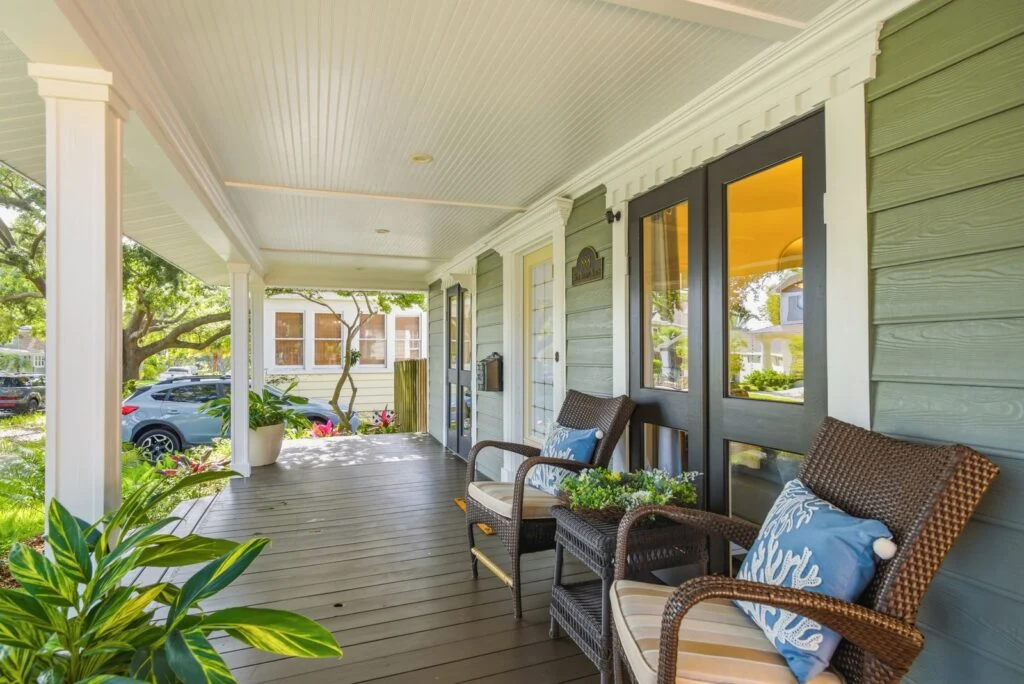
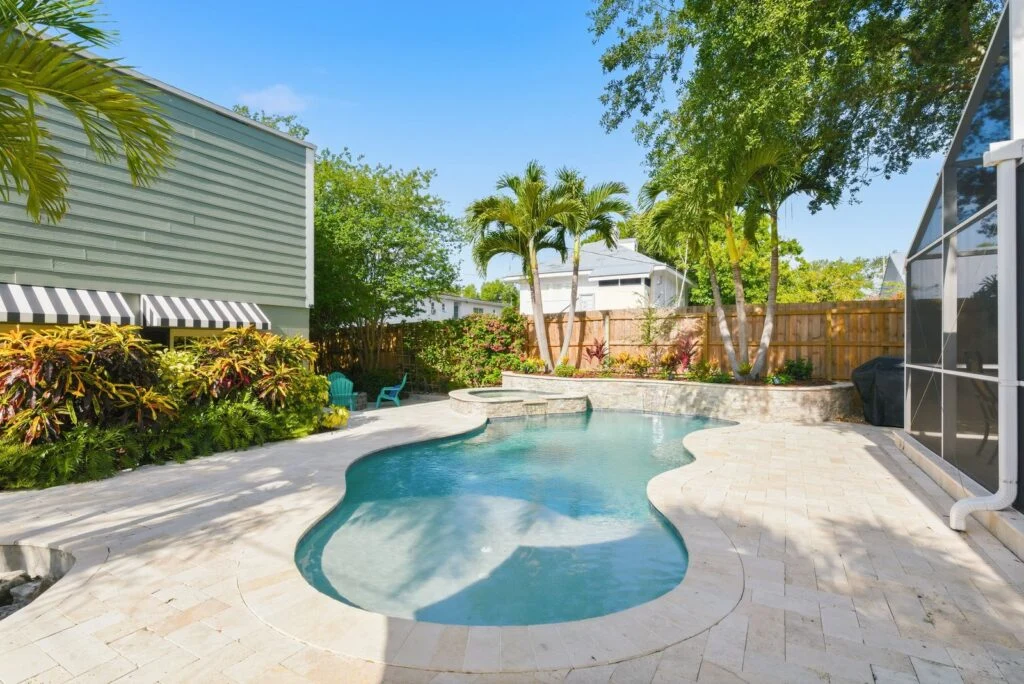
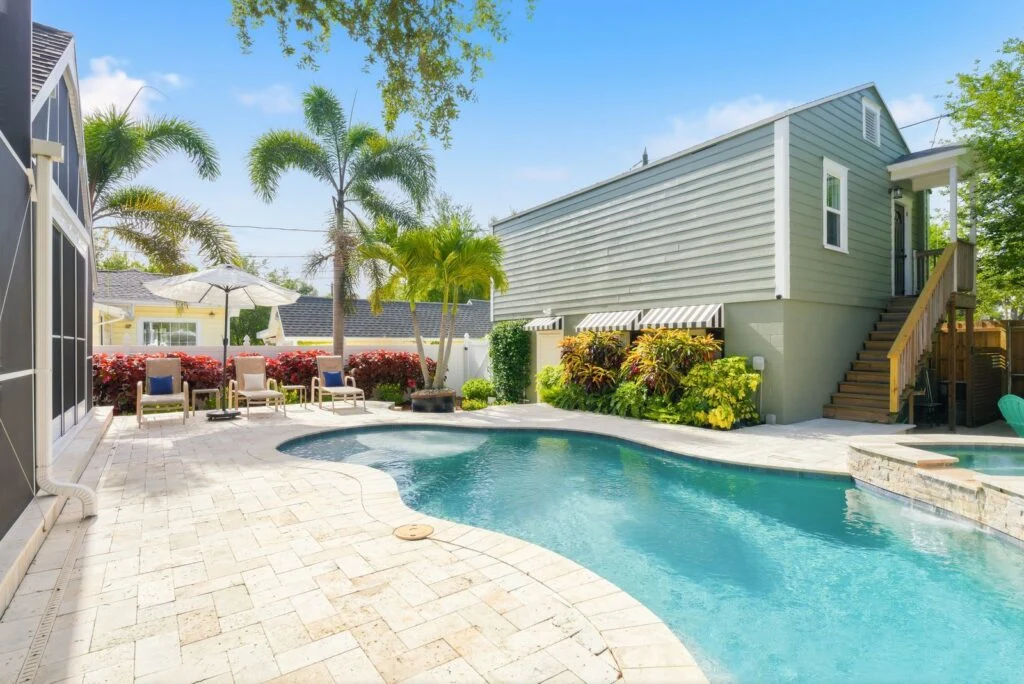
This 1918 Crescent Lake home has a deep porch with square columns, a beadboard ceiling and a balcony tucked into the front gable. The porch is a room in its own right. Out back, the driveway, yard and pool terrace feel like a continuous part of the property. That continuity was exactly what made the paperwork so surprising.
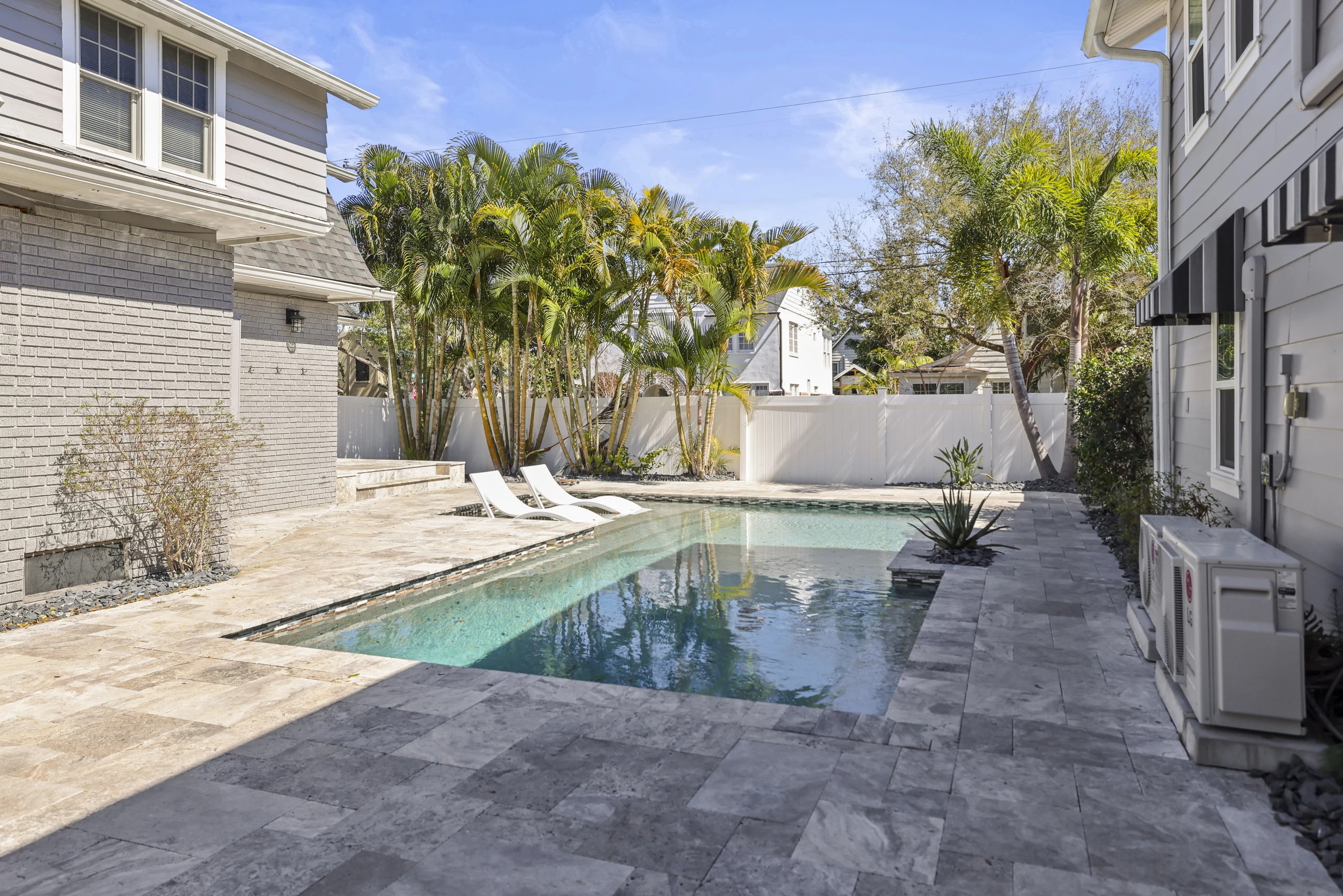
An alley vacated in 1926 ran through land that now looked like part of the side and back yards. The legal description raised a question about whether the buyer would receive the land they understood to be part of the property, including portions of the driveway and yard extending toward the pool. I understood the buyer’s concern. They had walked the property and could see how it was used every day. Now they needed to know what the closing documents would convey.
We brought in a real estate attorney. In this transaction, resolving the discrepancy involved Pinellas County Commission approval and updating the legal description to account for the former alley. The work took more than a month and required two closing extensions. Every extension meant another round of uncertainty for the seller. The buyer stayed engaged, and both sides gave the process the time it needed. We closed in July 2026.
View the sold listing for 888 16th Avenue North.
What I look for on the walkthrough
I walk the driveway all the way to the garage, follow the fence and note how the pool, detached structures and neighboring access points sit on the lot. Then I want to see how those features line up with the survey and the legal description. A fence tells me how a yard is used. If the documents and what we see on the ground raise different questions, I bring them to the surveyor, title team or attorney while there’s still time to get answers.
800 18th Avenue North, St. Petersburg | Trace the pipe before pricing the repair
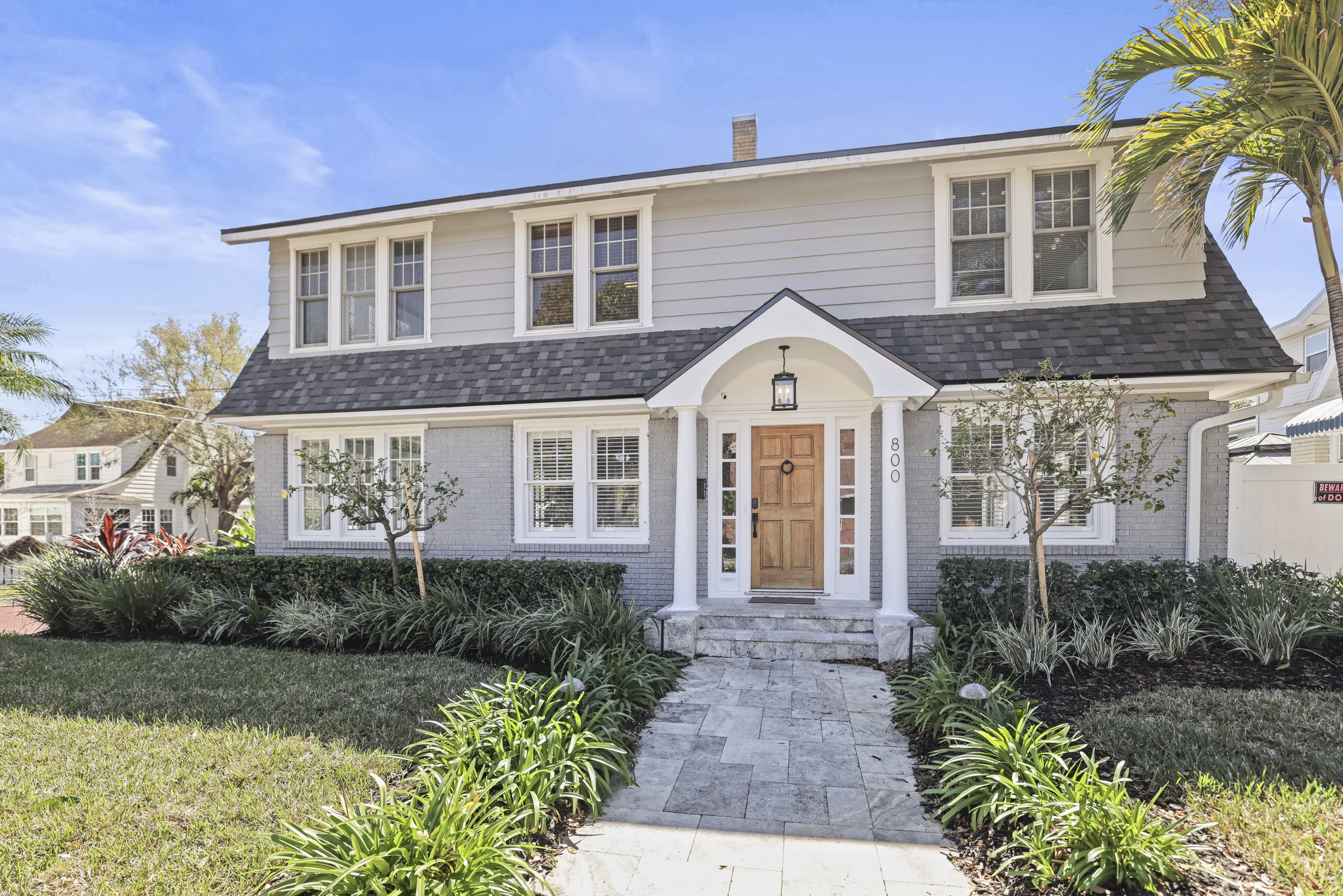
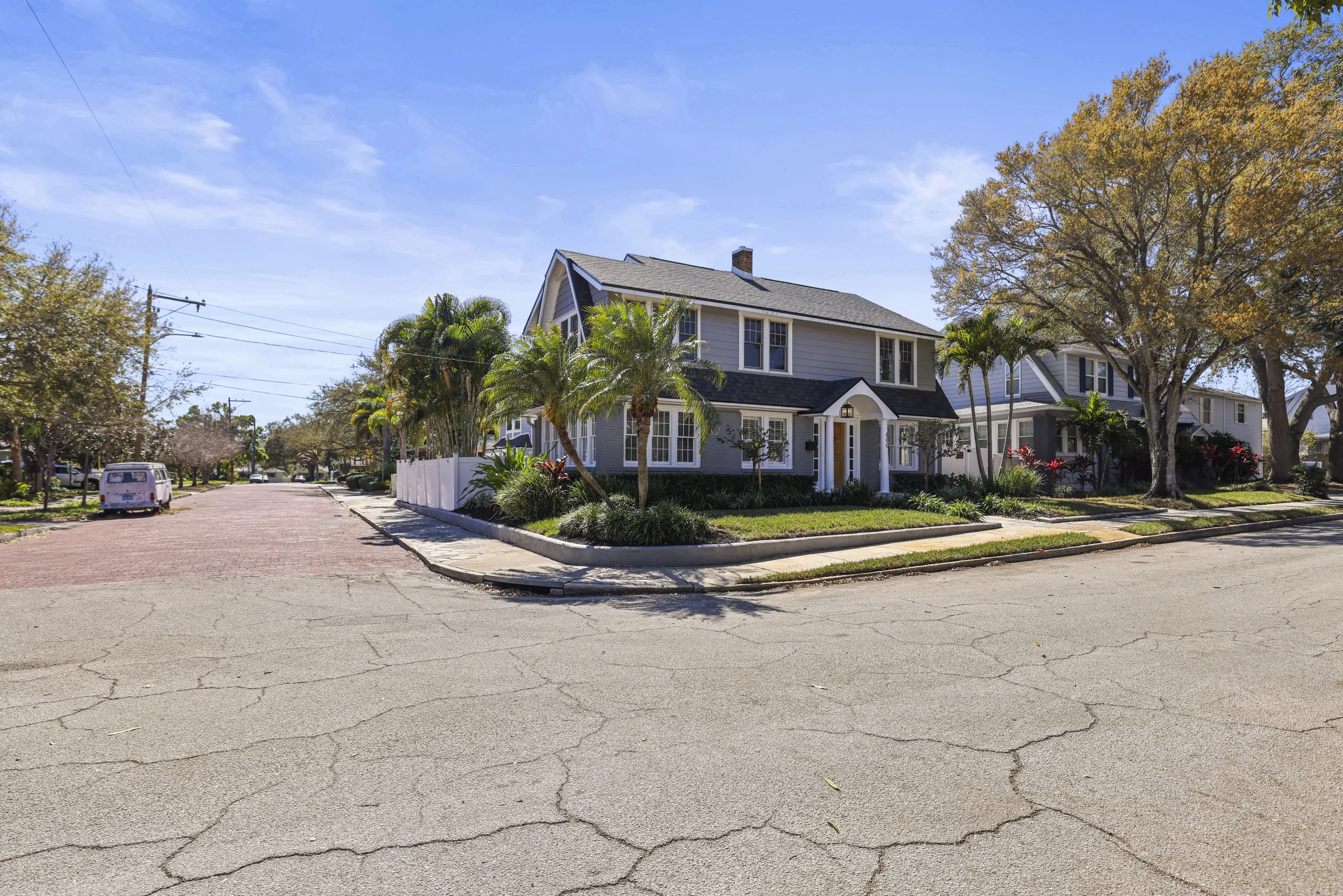
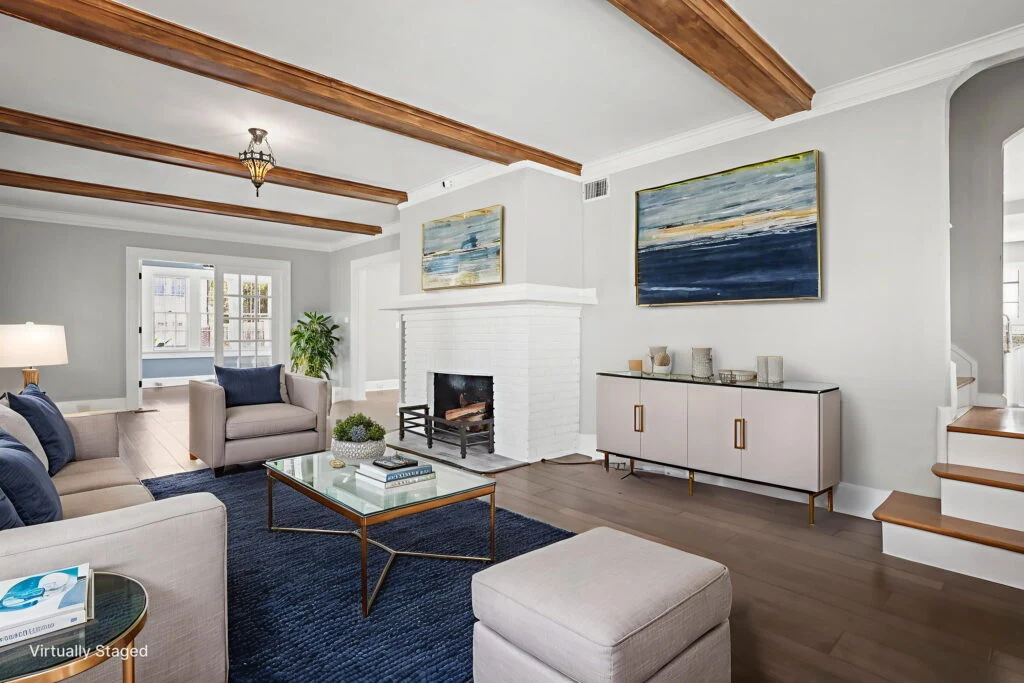
From the brick side street, you can see the roof profile, grouped windows and arched, columned entry that give this Crescent Lake house its character. Inside, the brick fireplace, ceiling beams and cased openings give the living room definition. I like to see how those details carry from one room to the next and where later work changed the layout.
The inspection raised a question about galvanized water piping. An independent plumber traced the lines and found that the pipes in question served the gas system. The water piping had already been updated, and the plumber verified that the water-supply concern raised at inspection did not require the work we’d been discussing.
There was still a separate issue beneath the house. Some pier-and-post supports on one side needed attention. We brought in a structural engineer and obtained contractor estimates. With a defined scope and a cost to discuss, the parties reached an agreement that allowed the buyer to arrange the structural repairs after closing.
View the sold listing for 800 18th Avenue North.
What I look for on the walkthrough
When a seller says the plumbing has been updated, I ask which runs were replaced and what records are available. Water supply, drains and gas are separate systems, and a visible section of pipe rarely answers a question about the whole house. For structural findings, I want the specialist to identify the affected area and the contractor to price that scope in writing. The parties can then negotiate around work they understand.
216 W. South Avenue, Tampa | What the porch couldn’t tell us
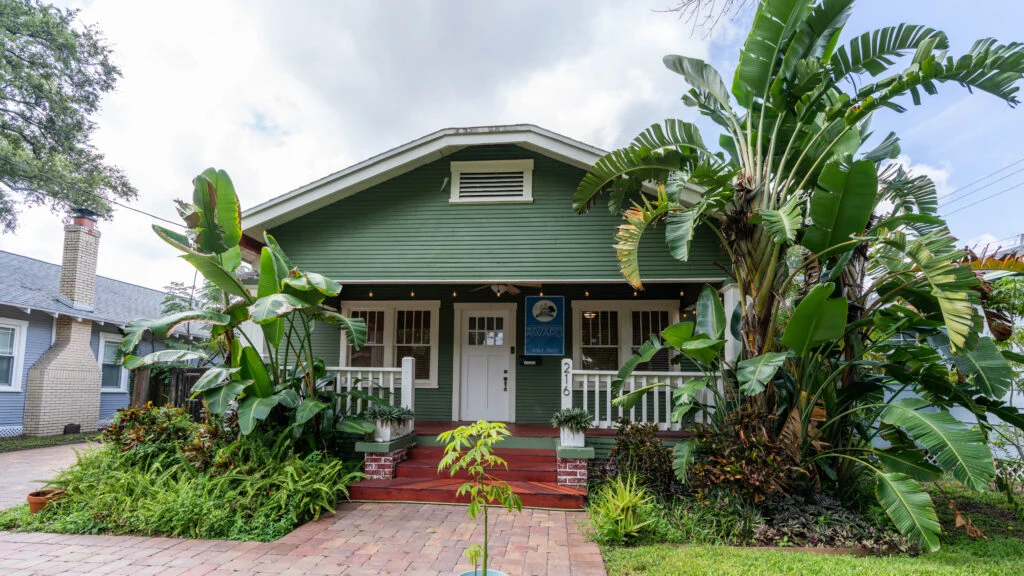
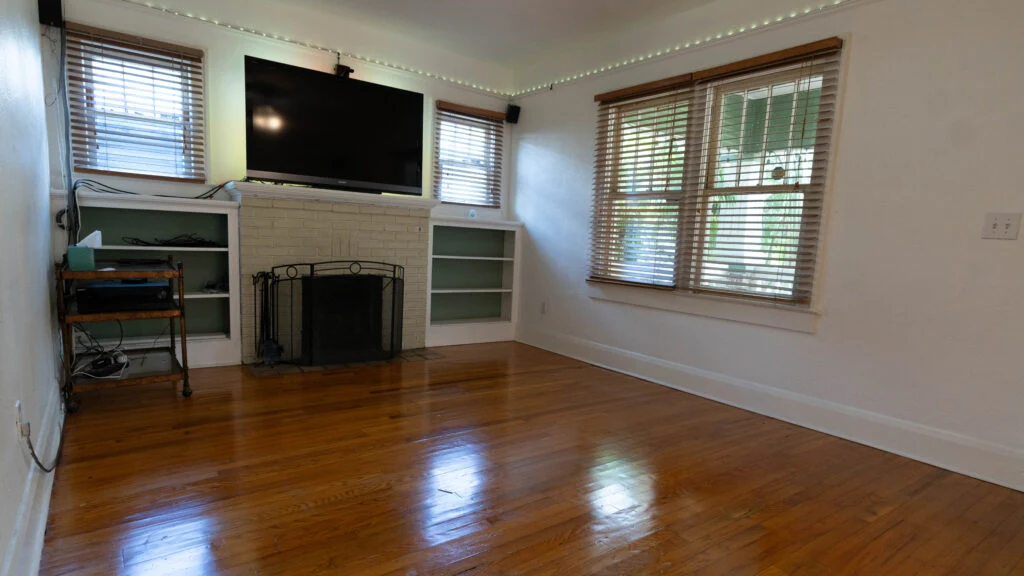
The broad front gable, shaded porch and brick porch piers give this 1925 Seminole Heights bungalow its street presence. Inside, built-in shelves flank a brick fireplace. The windows, trim and wood flooring are the details I slow down for. Together they give the rooms a sense of proportion worth preserving when the house is updated.
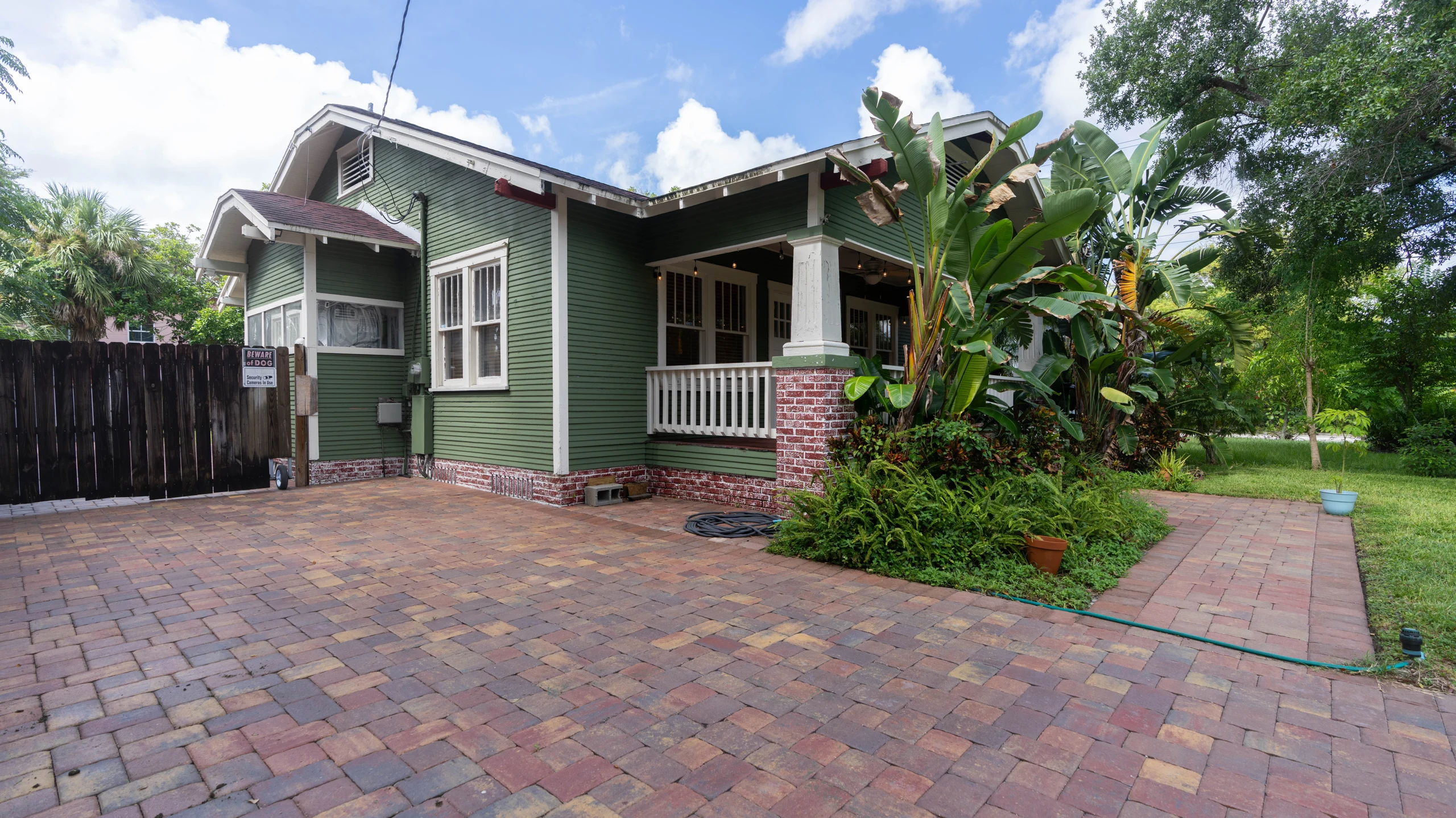
My seller had owned the home for more than a decade. Like many owners, he relied on tradespeople for work in the crawlspace and attic. The buyer’s inspection flagged concerns with beams and damaged framing beneath the house, as well as framing that needed attention above the ceiling. Those were places the seller rarely had reason to see. Once the findings were on the table, we negotiated how the work would be handled. The buyer chose to move forward knowing repairs would follow the sale.
View the sold listing for 216 W. South Avenue.
What I look for on the walkthrough
When I walk through historic homes in Tampa Bay, I pay attention to changes in floor level from room to room, doors that bind and staining near ceilings or exterior walls. Outside, I look at where water drains and whether there is accessible entry to the crawlspace and attic. Each observation gives me a question for the inspector. A slope alone tells me little about when movement occurred or whether it’s ongoing. I also ask for invoices and photos of past work, especially when a repair is now concealed. Those records can help a specialist focus on what still needs to be assessed.
What to ask an agent about historic homes in Tampa Bay
When you interview an agent for a historic home sale, ask them to walk you through a transaction that hit a snag. Who did they call when an inspection finding needed a second look? How did they help the parties evaluate the scope of work? What did they do when a survey or legal description raised a question late in the deal? Those answers tell you how the person will work when the calendar is tight and the decision is yours.
If you’re selling one of these historic homes in Tampa Bay, gather your permits, invoices, prior surveys and any engineering reports early. You may remember having work done without remembering how far it extended. If you’re buying, give yourself time to understand the inspection findings and get written follow-up on the issues that could affect your decision. A second opinion is most valuable when you can give the specialist a specific question and enough time to answer it.
I’m grateful to the three sellers who trusted me through the surprises and delays, and to the buyers and their agents who kept asking questions and working toward a solution. These homes were worth taking the time to understand. If you’re considering buying or selling a historic home in Tampa Bay, I’d be glad to walk it with you and talk through the details I’d want to verify.
Explore the Crescent Lake neighborhood guide and our guide to Tampa Bay’s historic home styles, or contact Mark Middleton to discuss your plans.