Ybor City Tampa Real Estate | Historic Homes | Middleton
Historic casitas, Italianate row homes, and loft residences in Tampa's National Historic Landmark District.
Historic casitas, Italianate row homes, and loft residences in Tampa's National Historic Landmark District.
Ybor City is one of the most historically significant neighborhoods in Florida — a National Historic Landmark District built in the 1880s as the "Cigar Capital of the World" and still home to some of the most architecturally distinctive inventory in the Tampa Bay area. For buyers seeking genuine American urban history, authentic turn-of-the-century architecture, and one of the few remaining walkable historic districts in Florida — all at entry points meaningfully below Hyde Park or Davis Islands — Ybor City offers something increasingly rare. For sellers of Ybor homes, it's a market that rewards specialized representation: a generic listing approach routinely undersells what a restored 1890s casita or converted cigar factory loft is actually worth to the right buyer.
Ybor City sits in zip code 33605, roughly two miles northeast of downtown Tampa. The historic core is bounded loosely by 21st Avenue to the north, 22nd Street to the east, Nebraska Avenue to the west, and Adamo Drive to the south, with Interstate 4 bisecting the district. 7th Avenue — Ybor's main commercial thoroughfare, recognized by the American Planning Association as one of the "10 Great Streets in America" — runs east to west through the heart of the neighborhood.
Ybor City is one of only three National Historic Landmark Districts in the entire state of Florida. That designation — the highest level of historic recognition the federal government confers — matters enormously for real estate. It brings preservation protections, access to historic tax credits for qualifying restorations, and a level of national recognition that most American neighborhoods don't have.
Property types in the Ybor City real estate market include:
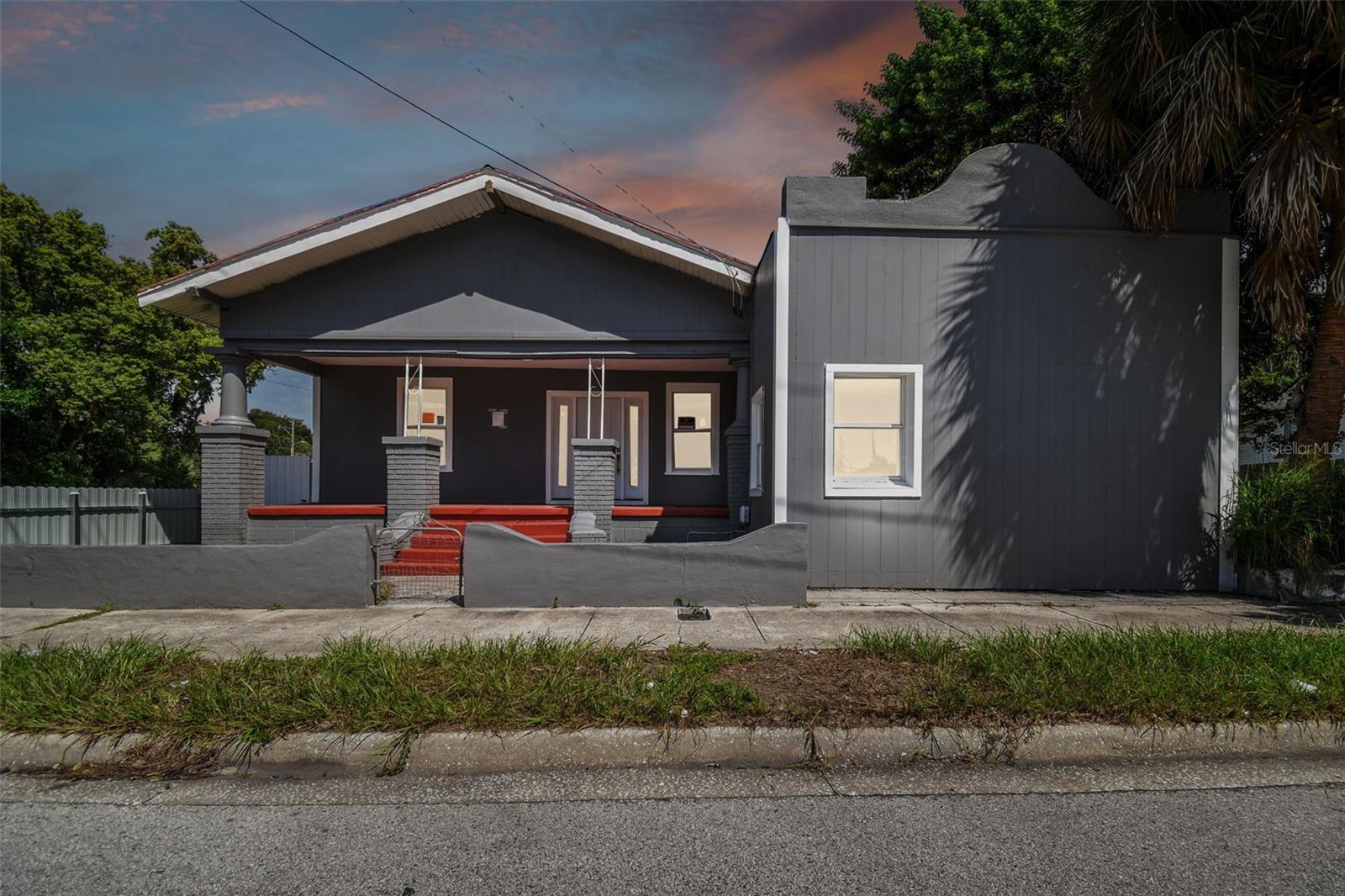
Casitas and shotgun cottages — the defining historic inventory of Ybor City. In 1886, Vicente Martinez-Ybor oversaw the construction of 176 small worker houses — "casitas" — that cigar workers could purchase at cost from the company. These narrow shotgun-style homes, so named because a shot fired through the front door would theoretically pass straight through to the back, were well-built wooden structures designed for the neighborhood's Cuban, Spanish, and Italian immigrant workforce. Restored casitas represent some of the most authentic late-19th-century residential architecture in Florida.
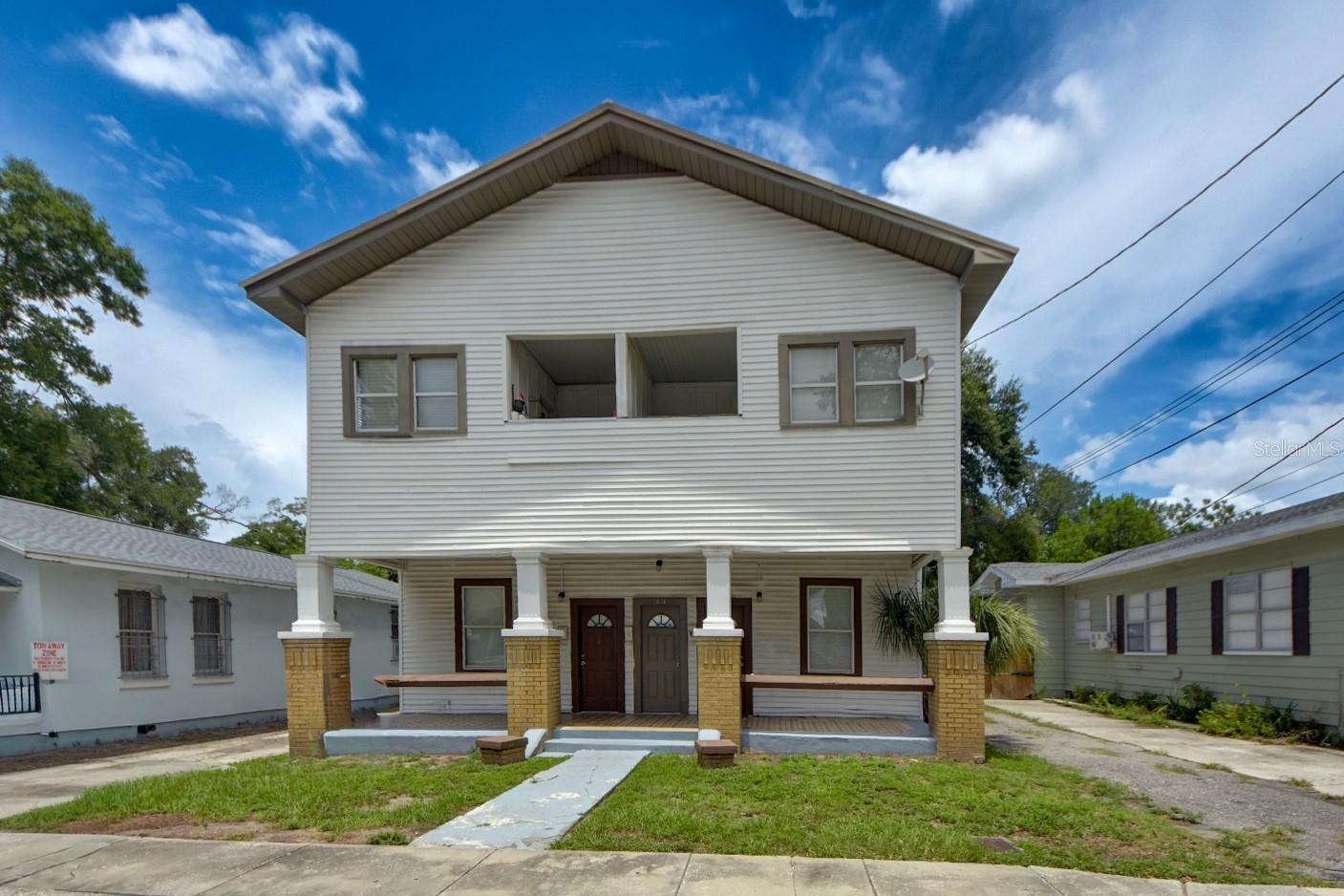
Italianate and Victorian row homes — concentrated in the district's core, reflecting the period's most common urban residential styles for working-class and middle-class immigrant families.
Converted cigar factory lofts — several of Ybor's surviving cigar factory buildings have been converted into loft residences, offering large-scale industrial conversions with exposed brick, high ceilings, and original structural detail. These represent some of the most distinctive loft inventory in Florida.
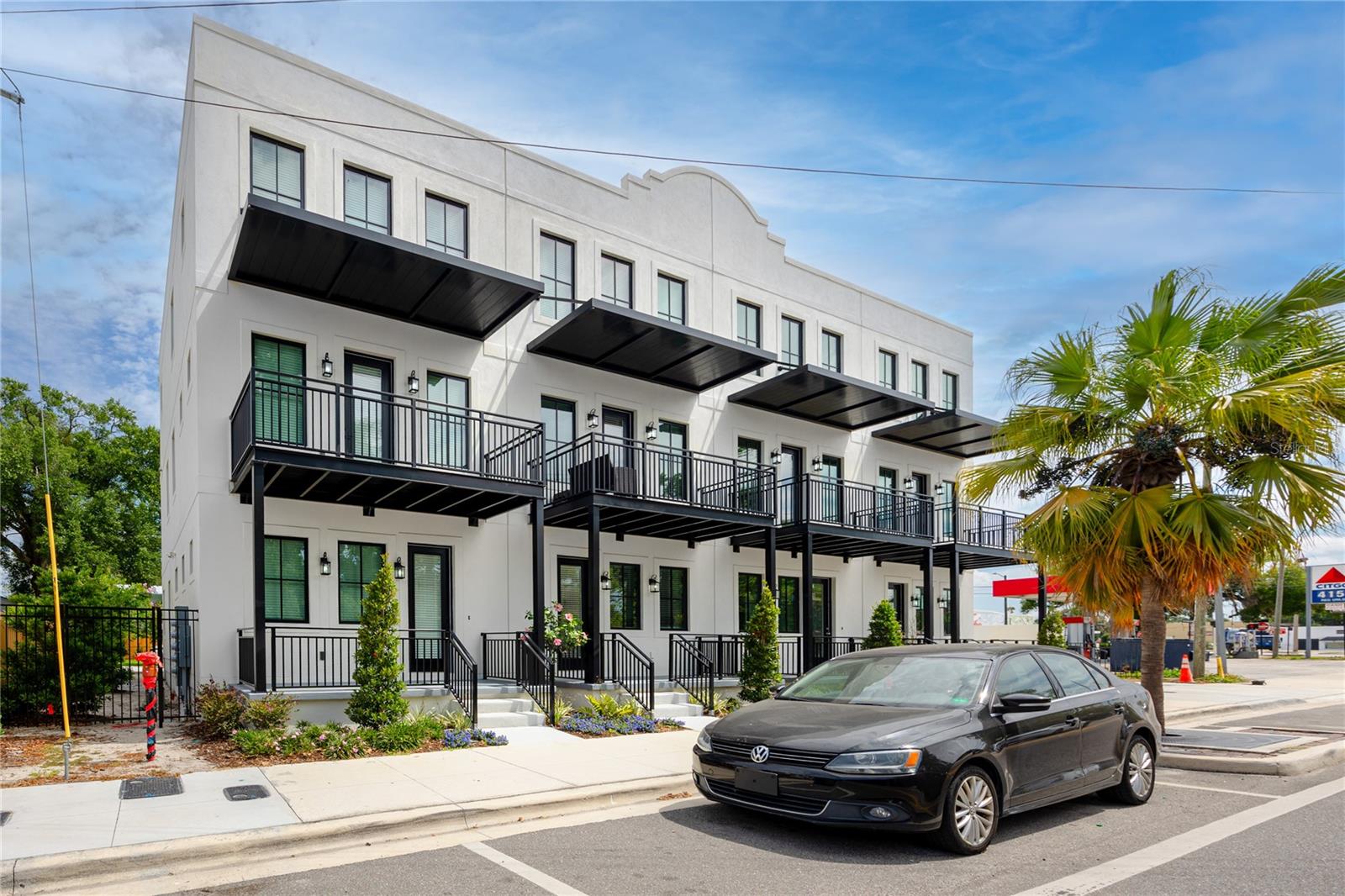
New construction townhomes and infill housing — a growing segment of thoughtfully designed newer construction on redevelopment sites and vacant lots, particularly in the VM Ybor and Ybor Heights subsections.
Mixed-use residences above 7th Avenue retail — an increasing inventory of upper-floor residential units above the street's restaurants, cigar shops, and retail, offering authentic urban-district living.
Ybor Heights — the residential neighborhood immediately north of the historic core, with a larger inventory of single-family bungalows and small Florida vernacular homes, pricing typically somewhat below the historic district core.
VM Ybor — the emerging subsection on the district's western edge, with newer construction townhomes and infill housing attracting younger professionals.
Ybor City represents one of the most genuine value opportunities in Tampa's historic real estate market. Median sale prices in Ybor City have recently tracked around $335,000 on a trailing-twelve-month basis, up approximately 16% year-over-year — meaningful appreciation, but at entry points far below comparable historic districts in Hyde Park ($770K+), Davis Islands ($1M+), and Old Northeast St. Pete ($857K+).
Pricing in Ybor City generally breaks out across these tiers:
Entry-level and fixer-upper inventory — unrenovated casitas, small cottages, and properties needing significant work typically transact in the $150,000 to $275,000 range. For buyers willing to take on a renovation project in a National Historic Landmark District, this remains one of the most accessible paths into genuine historic ownership anywhere in Florida.
Restored and move-in-ready historic homes — thoughtfully restored casitas, renovated Italianate row homes, and updated bungalows in Ybor Heights typically trade in the $325,000 to $500,000 range.
Converted lofts and premium historic inventory — large loft conversions in former cigar factory buildings and signature restored properties typically transact from $450,000 into the $700,000+ range depending on size and finish level.
New construction townhomes and contemporary infill — newer construction in VM Ybor and adjacent areas typically prices from the mid-$300,000s to the $500,000s.
Mixed-use and investment inventory — multi-family properties, mixed commercial-residential buildings, and income-producing historic inventory offer distinctive investment opportunities at pricing that no longer exists in Tampa's more established historic neighborhoods.
Two important market realities every Ybor City buyer and seller should understand:
First, flood zone designation matters here. A meaningful portion of the district sits within FEMA flood zones — approximately 43% of Historic Ybor City properties face severe flood risk over the next 30 years. Block-level flood zone knowledge is essential for accurate pricing and insurance underwriting.
Second, historic designation cuts both ways. The National Historic Landmark District status is a genuine asset — it protects character, enables tax credits, and supports long-term appreciation. It also means renovation and exterior modification are subject to preservation review for homes within the landmark boundary. Buyers planning significant changes need to understand what's allowed before they buy; sellers of properly preserved homes can command premiums from buyers who value the protection. An agent who understands the difference is genuinely valuable in this market.
Ybor City offers a lifestyle unlike anywhere else in Florida — dense, historic, genuinely walkable, and culturally layered in a way that most Florida neighborhoods simply can't match.
Genuine immigrant history. Ybor City was built by and for Cuban, Spanish, Italian, Afro-Cuban, German, Romanian Jewish, and Chinese immigrants who came to work in the district's cigar factories starting in the 1880s. By 1900, Ybor City surpassed Havana to become the world's largest producer of hand-rolled cigars. At its peak in 1929, 500 million cigars were rolled in the district's factories. The community's mutual aid societies — Centro Asturiano, Centro Español, Círculo Cubano, L'Unione Italiana, La Union Marti-Maceo, and the German American Club — built some of the neighborhood's most significant surviving buildings, several of which are now individually listed as National Historic Landmarks.
The Columbia Restaurant. Founded in 1905 on 7th Avenue, the Columbia is Florida's oldest restaurant and one of Tampa's most iconic institutions — a place where the district's Spanish, Cuban, and immigrant history is still served at the table.
Living cigar tradition. The J.C. Newman Cigar Company — Tampa's last operating cigar factory — continues hand-rolling cigars in Ybor City today, using equipment dating to the 1930s. Independent cigar rollers operate throughout the district, and the neighborhood's cigar shops remain an active part of daily life rather than just a nostalgic reference.
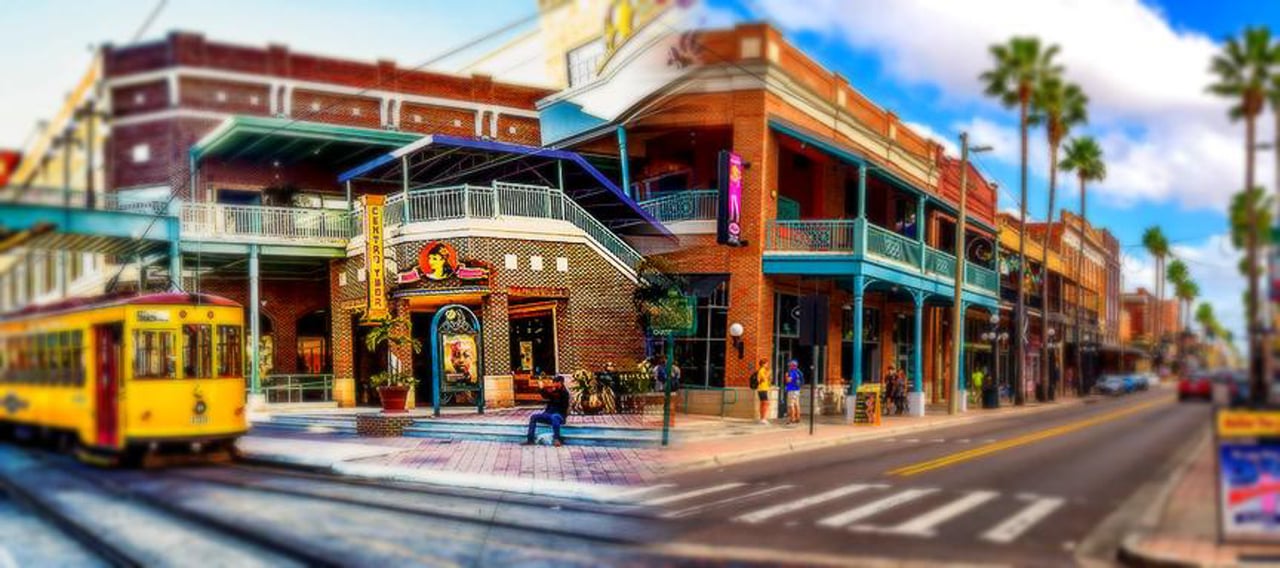
7th Avenue. The district's main commercial spine is lined with historic brick buildings, wrought iron balconies, globe streetlights, and the brick-paved walkways that give Ybor its distinctive sensory character. The street hosts ongoing nightlife, restaurants, independent retail, and monthly events — and has been nationally recognized among the country's great streets.
The wild chickens. Ybor City's free-roaming chickens are a legitimate neighborhood feature, protected by a decades-old Tampa ordinance designating the area as a bird sanctuary. They're cared for by local organizations and have become one of the neighborhood's most beloved and photographed traditions.
Food and culture. Beyond the Columbia, Ybor's dining and cultural scene includes Casa Santo Stefano, Café Quiquiriquí, La Segunda Central Bakery (nearly 100 years old and still baking Cuban bread by hand), the Tampa Baseball Museum, the Ybor City Museum State Park in the former Ferlita Bakery, and the neighborhood's standing claim as the birthplace of the Cuban sandwich.
Nightlife, breweries, and arts. Coppertail Brewing, BarrieHaus Beer Co., Bad Monkey Ybor, Sterling Cigar Lounge & Bar, Jannus Live-adjacent venues, and 1920 Ybor anchor an active nightlife and arts scene that continues to evolve alongside the district's residential growth.
TECO Line Streetcar. The historic streetcar line runs free service between Ybor City and downtown Tampa, making Ybor one of the only Florida neighborhoods where genuine car-free urban living is possible.
Proximity. Ybor is approximately two miles from downtown Tampa, 15 minutes from Tampa International Airport, minutes from the Channel District and Water Street, and within a short drive of South Tampa's Hyde Park and Davis Islands for residents who want the cultural depth of Ybor with easy access to the rest of the city.
Ybor City is a market where specialized historic-home expertise matters more than in almost any other Tampa neighborhood. The right buyer for an 1890s casita, a converted cigar factory loft, or a restored Italianate row home is genuinely different from a conventional Tampa buyer — more design-conscious, more historically literate, more willing to pay for architectural integrity, and more likely to come from outside the traditional Florida buyer pool. Reaching that buyer requires marketing that leads with architectural story rather than square footage, photography that captures original detail, and positioning that treats Ybor City's historic designation as the genuine asset it is.
Historic and character homes are a core specialty of the Middleton Tampa Bay practice. We understand how to position Ybor's distinctive inventory — casitas, cigar factory conversions, immigrant-era row homes, Ybor Heights bungalows — to reach the buyers most likely to pay the premium these properties deserve. As part of Compass Florida, we pair this specialized approach with the brokerage's premium marketing platform, national and international referral network, and proprietary pre-market programs (Compass Private Exclusive and Coming Soon) that reach qualified buyers before inventory hits the open market.
Mark Middleton, Realtor® Broker Associate, leads a team with deep Tampa Bay historic-home expertise across both sides of the bay — Ybor City, Hyde Park, Davis Islands, Seminole Heights, Old Northeast, Crescent Lake, and beyond. Mark holds the industry's most comprehensive designation portfolio (GRI, CIPS, CRB, SRS, PSA, ABR, RSPS, SFR) and built his practice specifically around the kinds of distinctive properties that Ybor City's landmark district is known for.
Whether you're preparing to list a restored 1890s casita, a converted cigar factory loft, an Ybor Heights bungalow, a VM Ybor townhome, or an investment-grade multi-family property — or you're searching for your first home in one of only three National Historic Landmark Districts in Florida — Middleton Tampa Bay delivers the market intelligence, marketing infrastructure, and historic-home expertise Ybor City sellers and buyers expect.
Call 727-871-SOLD (727-871-7653) or request a complimentary Ybor City home valuation to start the conversation.
3,688 people live in Ybor City Tampa Real Estate | Historic Homes | Middleton, where the median age is 35 and the average individual income is $29,617. Data provided by the U.S. Census Bureau.
Total Population
Median Age
Population Density Population Density This is the number of people per square mile in a neighborhood.
Average individual Income
There's plenty to do around Ybor City Tampa Real Estate | Historic Homes | Middleton, including shopping, dining, nightlife, parks, and more. Data provided by Walk Score and Yelp.
Explore popular things to do in the area, including Express Grocery, 15th Street Cutrate Liquors, and Joy Food Stores.
| Name | Category | Distance | Reviews |
Ratings by
Yelp
|
|---|---|---|---|---|
| Dining | 0.3 miles | 0 reviews | 0/5 stars | |
| Dining | 0.3 miles | 0 reviews | 0/5 stars | |
| Dining | 0.54 miles | 0 reviews | 0/5 stars | |
|
|
||||
|
|
||||
|
|
||||
|
|
||||
|
|
||||
|
|
Ybor City Tampa Real Estate | Historic Homes | Middleton has 1,609 households, with an average household size of 2. Data provided by the U.S. Census Bureau. Here’s what the people living in Ybor City Tampa Real Estate | Historic Homes | Middleton do for work — and how long it takes them to get there. Data provided by the U.S. Census Bureau. 3,688 people call Ybor City Tampa Real Estate | Historic Homes | Middleton home. The population density is 6,053 and the largest age group is Data provided by the U.S. Census Bureau.
Total Population
Population Density Population Density This is the number of people per square mile in a neighborhood.
Median Age
Men vs Women
Population by Age Group
0-9 Years
10-17 Years
18-24 Years
25-64 Years
65-74 Years
75+ Years
Education Level
Total Households
Average Household Size
Average individual Income
Households with Children
With Children:
Without Children:
Marital Status
Blue vs White Collar Workers
Blue Collar:
White Collar:
Ready to elevate your real estate experience? Partner with us for personalized service, unparalleled expertise, and a proven track record. Whether buying, selling, or seeking valuation, let's turn your property goals into reality. Contact us today for a journey beyond expectations.