Buying a Historic Home in Seminole Heights: What To Expect
July 16, 2026
July 16, 2026
If you are drawn to Seminole Heights, you are probably not looking for a cookie-cutter house. You are looking for character, history, and a home that feels tied to Tampa’s past. Buying here can be deeply rewarding, but it also comes with a different set of expectations than buying a newer property. This guide will help you understand what makes these homes unique, where historic rules can affect your plans, and how to prepare for inspections, insurance, and renovations before you buy. Let’s dive in.
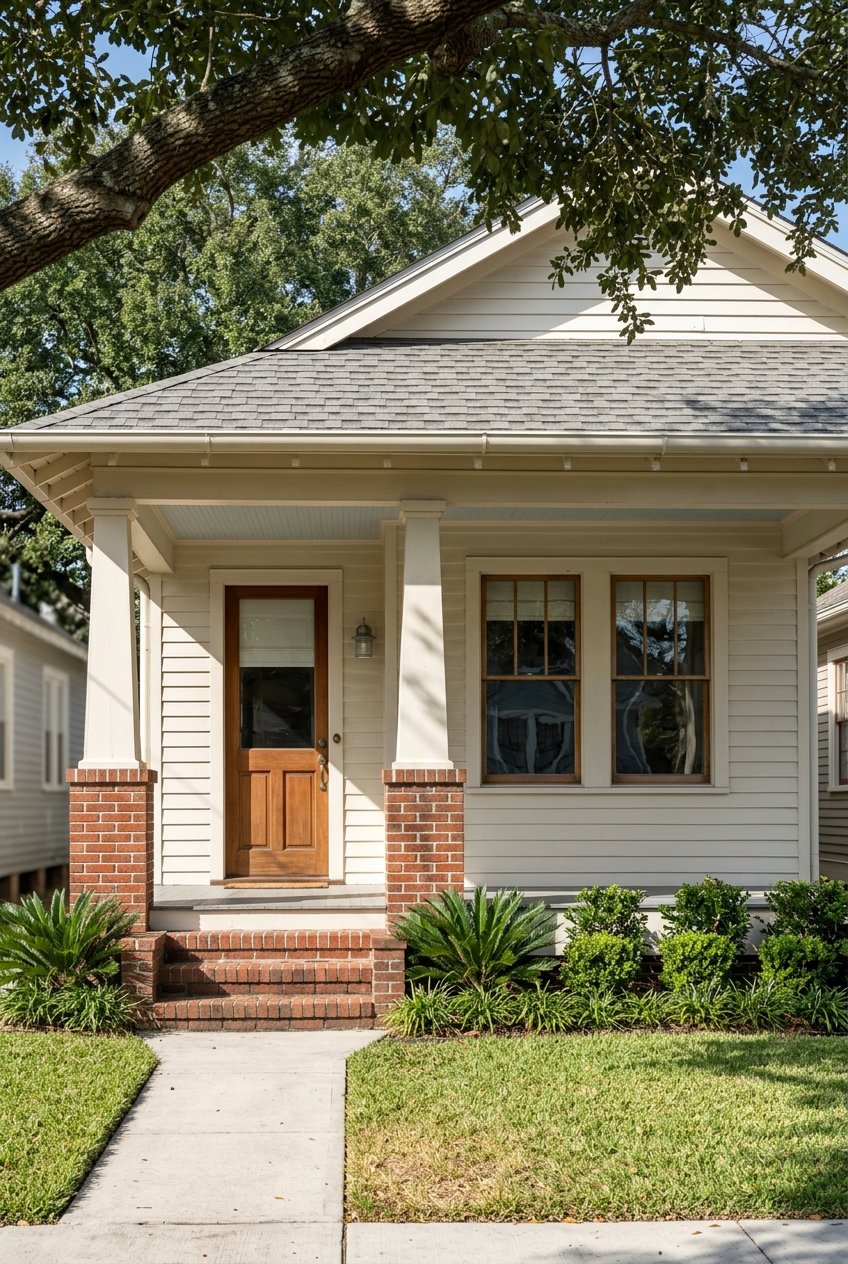
Seminole Heights is known for its historic bungalow character. The City of Tampa describes Old Seminole Heights as a tree-shaded community with stately old bungalows from the early 1900s, and some homes are located within National Register and local historic districts.
That matters because you are not just buying an older house. In many cases, you are buying a home with architectural features that help define the identity of the area. Tampa’s design guidelines point to a large concentration of intact historic residences in the Bungalow style, with influences from Florida Cracker architecture, plus Craftsman and Mediterranean Revival homes.
When you tour homes in Seminole Heights, certain details tend to stand out. These are also the features local guidelines try hardest to preserve because they shape the home’s original look and feel.
Look for features such as:
Inside, you may also find built-in millwork and other original details that add to the historic appeal. These features often separate a truly historic home from one that is simply older.
One of the biggest surprises for buyers is that exterior work may be reviewed before it begins. Seminole Heights is a local historic district reviewed by Tampa’s Architectural Review Commission, and the city uses district design guidelines as a general guide when construction is reviewed.
If you are thinking ahead to renovations, this is important to understand early. Certificates of Appropriateness, often called COAs, can be required for many visible exterior changes, and some approvals can be handled by staff while others go to a public hearing.
According to the Seminole Heights guidelines, review may be required before work such as:
Interior work is generally up to the owner. Still, interior changes can matter if they affect the exterior or if you want to preserve potential tax benefits tied to approved improvements.
Before you make plans for updates, confirm whether the property is considered contributing or non-contributing. Tampa’s historic district maps can help, but the city says they are not the only guide, so buyers should verify status directly with the city if there is any uncertainty.
This step can shape what changes are easier to make and what level of preservation is expected. It is a small piece of due diligence that can save you time and frustration later.
In Seminole Heights, the goal is usually not to avoid modernization. The real question is how to improve the home without stripping away the features that give it character.
Tampa’s preservation philosophy is clear: repair original features when possible, replace only when necessary, and make replacements match the original in size, proportion, color, texture, and overall character. This approach applies especially to windows, doors, porch supports, rooflines, and foundation enclosures.
The most value-conscious projects are often the ones that improve function while keeping the home’s silhouette and visual identity intact. Examples include:
The city specifically discourages features that look out of place on a historic home. That can include:
The same careful approach applies to mechanical equipment, antennas, skylights, security bars, and solar collectors. The guidelines recommend keeping them as unobtrusive as possible and, when feasible, out of street view.
Paint colors do not require a Certificate of Appropriateness, but Tampa still recommends historically appropriate palettes rather than bright dominant tones. If you love the idea of giving a bungalow your own style, this is an area where thoughtful restraint often pays off.
Storm protection also deserves planning. The guidelines treat hurricane shutters carefully, with concealed or removable options preferred over highly visible installations on the street-facing facade.
There can be a financial upside to improving a historic property, but timing matters. The Seminole Heights guidelines note that the City of Tampa and Hillsborough County each offer an ad valorem tax exemption for qualifying historic-property improvements made under approved guidelines.
For city projects, the improvement threshold generally must be at least $10,000. The exemption can equal 100% of the assessed value of the improvement for 10 years, and the application must be filed before work begins.
That last point is easy to miss. If you buy with renovation plans in mind, it is worth organizing your scope, budget, and approval path before any work starts.
Older homes in Florida often require a closer look from both buyers and insurers. The Florida Department of Financial Services says insurers may consider the age and condition of the roof, plumbing, electrical wiring, and HVAC when evaluating older homes.
In many cases, insurers also require a four-point inspection for older homes. That inspection focuses on four major systems:
You may also find that an older property is written on an HO-8 or dwelling form instead of a standard homeowners policy. That is one more reason to start insurance conversations early rather than waiting until the last minute.
Flood coverage should never be assumed. The Florida Department of Financial Services says most homeowners policies do not cover flood damage, and flood insurance is usually a separate policy.
A mortgage lender may require flood insurance even though Florida law does not require it for every homeowner. DFS also notes that flood insurance often comes with a 30-day waiting period, with some lender-related exceptions, so this is not something you want to explore at the very end of the transaction.
For many Seminole Heights buyers, preservation goals and storm-readiness need to work together. DFS says improvements such as shutters, a stronger roof, and clips or straps at the roof-to-wall connection can strengthen a home against hurricanes and may also help with insurance discounts.
The My Safe Florida Home program can also play a role for eligible homeowners. DFS says the program offers free hurricane mitigation inspections and matching grants, with up to $2 in grant funds for every $1 a homeowner spends, up to $10,000. Eligible inspection applicants generally must own and occupy a site-built single-family detached home or townhouse with a homestead exemption, and reimbursable work should not begin before official grant approval.
The biggest takeaway is simple: buy with a plan, not just a wish list. A Seminole Heights home may involve preservation review, insurance underwriting, a four-point inspection, flood planning, and hurricane-hardening decisions, all at the same time.
When you understand those moving parts before you close, you can make smarter decisions about budget, renovation timing, and long-term ownership. That kind of preparation helps you protect both the home’s character and your investment.
If you are considering a historic home in Seminole Heights and want clear guidance on what to look for before you make an offer, Mark Middleton can help you evaluate the details, plan your next steps, and move forward with confidence.
Stay up to date on the latest real estate trends.
Ready to elevate your real estate experience? Partner with us for personalized service, unparalleled expertise, and a proven track record. Whether buying, selling, or seeking valuation, let's turn your property goals into reality. Contact us today for a journey beyond expectations.