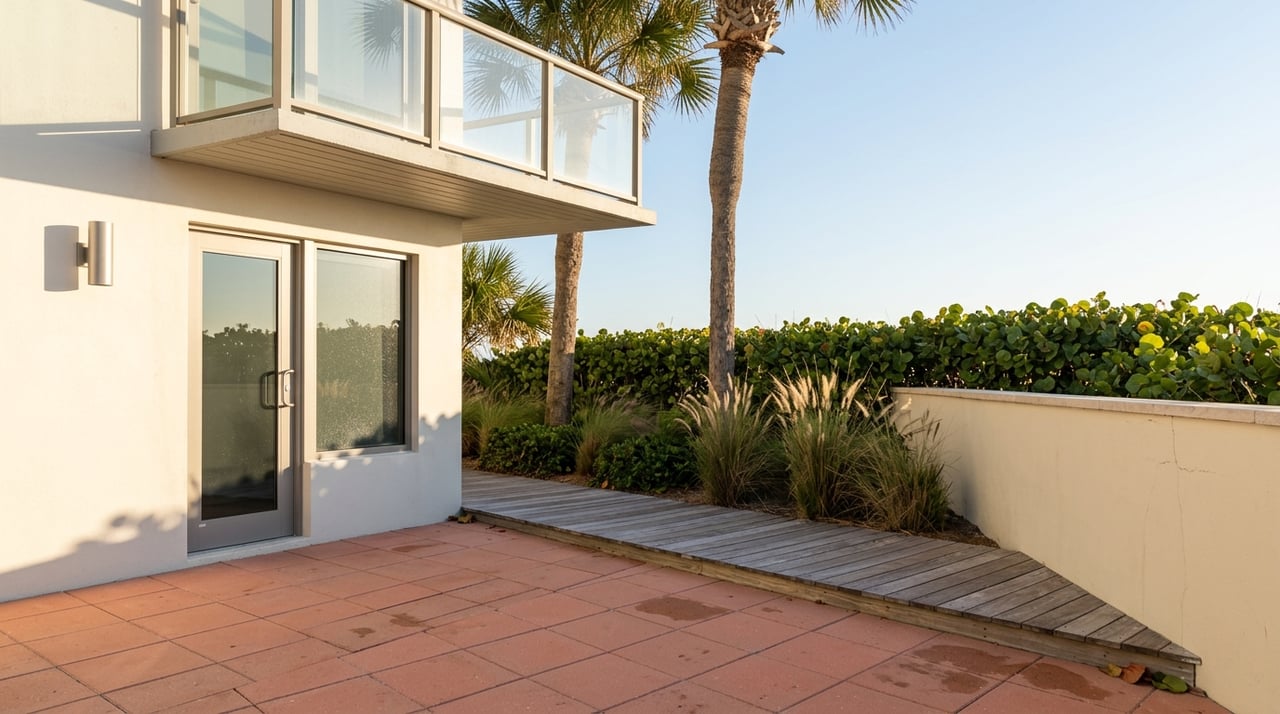
Living on St. Pete Beach: What Everyday Life Really Looks Like
June 25, 2026
June 25, 2026
If you are thinking about living on St. Pete Beach, you are probably wondering what life feels like once the vacation glow wears off. That is a smart question, because this barrier-island city offers much more than beach views and weekend energy. From seasonal rhythms to neighborhood differences, everyday life here depends a lot on where you live and how you like to spend your time. Let’s dive in.
St. Pete Beach is a barrier-island city just south of Treasure Island with about 10,000 permanent residents. At the same time, nearly 28% of homes and condos are owned by people whose primary residence is somewhere else, which gives the area a mix of full-time residents and seasonal owners.
That blend shapes the local pace. Some times of year feel busier, especially during winter, while other stretches feel calmer and more local. You get the benefits of an active beach destination, but you also live in a place with real community routines, city services, and neighborhood identity.
The city itself was assembled in 1957 from former towns including Pass-a-Grille, Don CeSar, Belle Vista, and St. Petersburg Beach. That history still shows up today because St. Pete Beach does not feel like one long, uniform strip. It feels more like a collection of smaller pockets, each with its own daily rhythm.
Living here means paying attention to coastal patterns. Summer usually brings brief afternoon storms, winter is typically drier, hurricane season runs from June 1 through November 30, and sea turtle nesting season runs from May 1 through October 31.
Those details matter in practical ways. Outdoor plans may shift with weather, beach lighting and activity can change during turtle nesting season, and storm preparation is simply part of coastal living. The city also tracks dunes and red tide as ongoing coastal concerns, which is part of the reality of life on a barrier island.
At the same time, the island is active year-round. The city hosts concerts, art shows, and family events throughout the year, so daily life is not limited to tourism. You are living in a place with recurring civic and social events, not just a place where people come for a long weekend.
One of the pleasant surprises for many buyers is that you may not need to drive for every errand or outing. Freebee offers door-to-door rides across the city from Pass-a-Grille to the Blind Pass bridge, and the Suncoast Beach Trolley connects the broader Gulf beach corridor.
That said, parking still matters. St. Pete Beach uses metered parking, digital enforcement, and neighborhood-specific permit zones, so convenience can vary depending on your address. If you plan to host guests often or want easy beach access, parking rules are worth understanding early.
Walkability is strongest in a few key areas. Pass-a-Grille and the Corey Avenue area stand out for a more pedestrian-friendly feel, with nearby shops, restaurants, parks, and community destinations woven into daily life.
If you picture a classic old Florida beach town, Pass-a-Grille is likely the area you are imagining. It is known for a quieter feel, low-rise character, a small downtown around historic 8th Avenue, and almost no buildings directly on the beach.
Daily life here tends to feel simple and walkable. You can move between the beach, local dining, the pier area, and neighborhood streets without the heavier resort feel found in other parts of the island. The streetscape of cottages, waterfront homes, and small-scale lodging gives the area a close-knit, human-scale atmosphere.
Pass-a-Grille also has a dog-friendly beach area on the bay side at the end of Pass-a-Grille Way between 1st and 3rd Avenues. For pet owners, that is a meaningful quality-of-life feature that can make everyday routines easier and more enjoyable.
The Don CeSar corridor has a different kind of energy. The historic hotel, which opened in 1928, sets the tone, and the surrounding area developed with a distinctive layout and Mediterranean Revival influence.
Living near this part of St. Pete Beach often means being more aware of visitor activity, traffic flow, and managed parking. The city separates the Don Cesar neighborhood into its own permit zone, which hints at how carefully circulation and access are managed here.
This area can appeal to buyers who like being near a landmark setting and beach-adjacent amenities. It feels less like a tucked-away cottage district and more like a part of the island where hospitality, beach use, and residential life intersect.
Vina del Mar sits east of Pass-a-Grille and connects by the 21st Avenue Bridge. It was first developed from dredged land in the early 1950s, and it still retains a notable collection of mid-century modern homes.
The everyday feel here is more neighborhood-first than resort-first. You are still close to the beach lifestyle, but your immediate setting tends to feel calmer and more residential.
Vina del Mar Park adds to that local feel. With a dog park, playground, tennis, pickleball, basketball, picnic facilities, restrooms, and free parking, the area supports a more rooted day-to-day routine built around home, recreation, and neighborly activity.
Isla del Sol offers a different version of coastal living. Located between the southern tip of St. Petersburg and St. Pete Beach, it reads more like club-and-marina living than a beach-walk neighborhood.
The official club describes golf, tennis, pickleball, dining, a fitness center, a pool overlooking Boca Ciega Bay, and a 76-slip yacht harbor. That package makes daily life here feel more centered on amenities, boating access, and a lower-errand lifestyle.
If your idea of home leans toward managed amenities and water access rather than strolling to a beach café, Isla del Sol may feel like a better fit. It offers a distinct lifestyle within the broader St. Pete Beach orbit.
One of the biggest misconceptions about beach living is that access is the same everywhere. In St. Pete Beach, access is layered by neighborhood, and that can change your daily experience.
The city identifies beach access and parking at places like Pass-a-Grille Beach, County Beach Access Park, and Upham Beach. The public parking map lists 541 spaces on Gulf Way and 186 on Pass-a-Grille Way in Pass-a-Grille, along with 223 spaces at County Beach Access Park.
Resident permits are also separated by neighborhood, including Pass-a-Grille, Don Cesar, Belle Vista, and Upham Beach. In simple terms, two homes on the same island can offer very different levels of convenience when it comes to parking, guest visits, and spontaneous beach time.
In St. Pete Beach, dining is not just a special-occasion activity. It is part of the everyday lifestyle. Restaurants are spread through neighborhood hubs like Corey Avenue, along Gulf Boulevard, and in Pass-a-Grille.
Most local dining is casual, but the range is wide enough to keep daily life interesting. You can find elevated options like Maritana at The Don CeSar and Grace in Pass-a-Grille, along with familiar beachside spots such as Paradise Grille and Hurricane Seafood Restaurant.
That neighborhood-based dining pattern matters. Instead of relying on one entertainment district, you get several pockets where meals, coffee, or a relaxed evening out can easily fit into your week.
Even if you are not a full-time boater, you will notice how deeply water access shapes local life. Piers, launch points, and marina amenities are part of the area’s identity.
Merry Pier in Pass-a-Grille serves as both a fishing spot and the launch point for the Shell Key Shuttle. The city also notes that the Don CeSar and Egan Park boat ramps are for trailer parking only, which highlights how boating access here comes with specific rules and patterns.
On the bay side, Isla del Sol’s yacht harbor adds another dimension to the local lifestyle. For many buyers, especially those exploring waterfront or second-home property, that boating culture is a major part of what makes this area appealing.
The housing experience changes a lot across St. Pete Beach. While the city shares one coastal identity, the property types and daily setting can feel very different from one area to the next.
Pass-a-Grille is known for historic cottages, waterfront homes, and boutique-scale living. It tends to feel intimate, low-rise, and pedestrian-friendly.
The Don CeSar area blends resort lodging, beach-adjacent living, and nearby historic single-family pockets. It usually feels more amenity-heavy and more shaped by visitor activity.
Vina del Mar is defined by bridge-connected residential living and mid-century character. It often appeals to buyers who want a quieter neighborhood feel with beach access nearby.
Isla del Sol leans toward club-and-marina convenience. It feels more lifestyle-managed and amenity-driven than the land-side neighborhoods.
In practical terms, living on St. Pete Beach means choosing your version of coastal life. You might want historic walkability in Pass-a-Grille, resort-adjacent energy near the Don CeSar, a quieter residential pocket in Vina del Mar, or marina-and-club convenience in Isla del Sol.
It also means understanding the tradeoffs that come with barrier-island living. Weather patterns, seasonal traffic, parking rules, and beach access all shape your day-to-day experience as much as the view from your front door.
When you match the right micro-neighborhood to your routine, St. Pete Beach can feel less like a vacation backdrop and more like a place that truly fits how you want to live. If you want help comparing waterfront homes, condos, second homes, or lifestyle-driven neighborhoods across Pinellas County, Mark Middleton can help you navigate the options with local insight and concierge-level service.
Stay up to date on the latest real estate trends.
Ready to elevate your real estate experience? Partner with us for personalized service, unparalleled expertise, and a proven track record. Whether buying, selling, or seeking valuation, let's turn your property goals into reality. Contact us today for a journey beyond expectations.