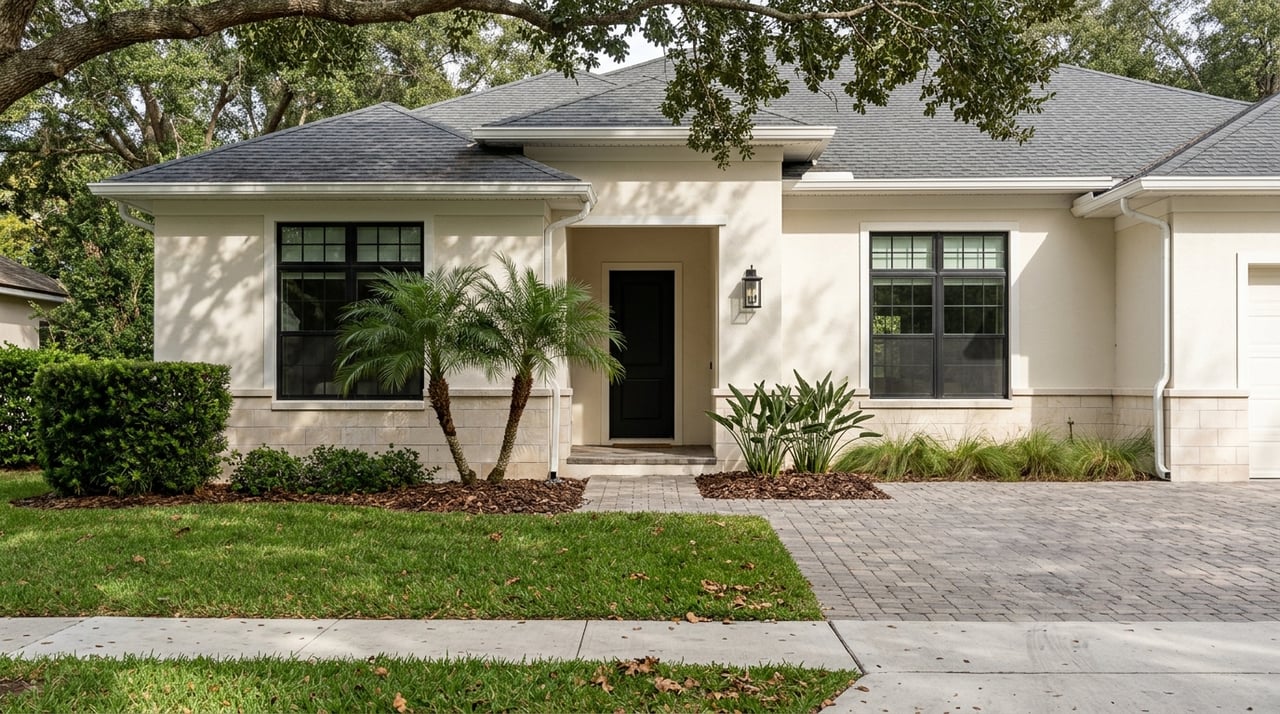
Pricing a Palma Ceia or Virginia Park Home in Today’s Market
July 23, 2026
July 23, 2026
If you price a Palma Ceia or Virginia Park home by looking at Tampa as a whole, you can miss the mark by a wide margin. Sellers in 33629 are operating in a premium micro-market where lot patterns, architectural fit, condition, and block-by-block buyer demand matter far more than a broad city median. If you want to price with confidence in today’s market, you need a strategy built around local evidence, not guesswork. Let’s dive in.
Palma Ceia and Virginia Park both sit in Tampa’s 33629 ZIP, but they do not behave like the broader Tampa market. Realtor.com reports a June 2026 median listing price of $1.75 million for 33629, a median sold price of $1.2 million, 63 median days on market, and a 95% sale-to-list ratio.
That is a very different pricing environment from Tampa overall. Redfin’s May 2026 citywide median sale price for Tampa was about $443,000, which shows why city averages are not especially helpful when pricing in South Tampa’s upper-tier neighborhoods. In practical terms, buyers here are responding to micro-market comps, not broad regional numbers.
Within the ZIP, Realtor.com reports a median listing price of $1.699 million in Virginia Park and $1.40 million in Palma Ceia. Those figures help frame the market, but they are still only a starting point. Your home’s value will depend on how closely it aligns with what buyers have recently chosen and what comparable homes have actually commanded.
A strong list price usually sits at the intersection of buyer perception and appraisal support. Buyers often respond first to convenience, presentation, and whether a home feels move-in ready. Appraisers, by contrast, are focused on market evidence such as comparable sales, site size, condition, design, and location factors.
Fannie Mae’s appraisal guidance says value analysis starts with the home’s condition and characteristics, along with external factors such as location and market trends. That matters in Palma Ceia and Virginia Park because homes can differ sharply in lot size, street appeal, age, and layout even within a small area. In a market like this, price per square foot alone rarely tells the full story.
City materials describe Palma Ceia as a traditional pre-World War II neighborhood. Its pattern includes smaller regular lots, sidewalks, buildings set closer to the front property line, and scattered neighborhood-scale commercial uses.
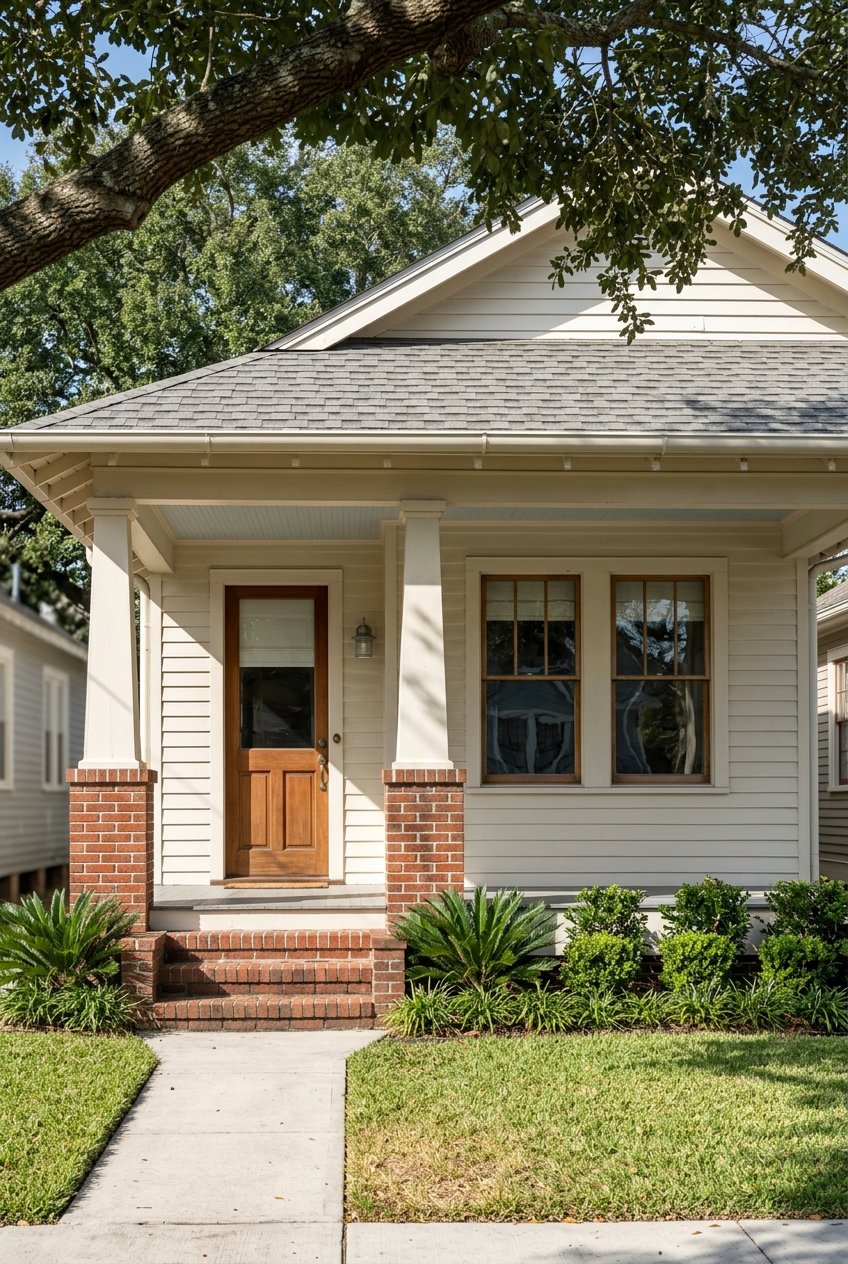
The area is also known for antique red-brick roads, mature oak canopies, and a wide range of housing designs and price points. When you price a home in Palma Ceia, buyers often weigh how well the property fits that established neighborhood character. A home that feels in sync with the block’s scale and style is usually easier to position than one that feels visually out of place.
Virginia Park is described by the city as a post-World War II suburban neighborhood. Its pattern includes winding streets, prominent garages and driveways, and less routine pedestrian access than older traditional neighborhoods.
That distinction can shape value. In Virginia Park, buyers may place more emphasis on practical suburban features such as driveway presence, garage function, and lot layout. Pricing should reflect how your home compares with nearby sales that share those same physical and visual traits.
Site size matters because appraisers are valuing the actual property, not a simplified version of it. Fannie Mae’s guidance says the appraisal must include the actual size of the site, and comparable sales should reflect similar site characteristics whenever possible.
In 33629, lot frontage, shape, and overall layout can influence value more than sellers expect. A home on a more functional or more appealing lot may command a stronger price than a similar home with less usable site geometry. That is one reason a pricing strategy should begin with truly similar properties, not just nearby ones.
Condition is one of the most important pricing levers you can control. Appraisals are expected to describe needed repairs, modernization, and maintenance, and effective age can reflect how well a home has been maintained over time.
That means two homes built in the same era can perform very differently in the market. If one feels well cared for and current while the other needs visible updates, buyers and appraisers may place them in very different value ranges.
Not every renovation adds value equally. Fannie Mae’s appraisal guidance notes that improvements should conform to the neighborhood in age, type, design, and materials, and that market resistance can occur when design, quality, size, or layout do not match typical demand.
In Palma Ceia and Virginia Park, that often means thoughtful updates outperform flashy upgrades that feel disconnected from the home or the block. A well-executed kitchen, sound maintenance, and cohesive finishes can be easier to support than expensive work that does not match local buyer expectations.
Unpermitted additions or changes can complicate value. Fannie Mae specifically notes that unpermitted additions must be addressed because they can affect market value.
If you have completed improvements, it helps to gather permits, invoices, warranties, and before-and-after photos before your pricing conversation. Good documentation makes it easier to show what was improved, how it was done, and why the work should be reflected in value.
Price is not driven by the house alone. In South Tampa, daily convenience and neighborhood access can shape how buyers perceive value.
Official local sources highlight several amenities that support a lifestyle premium in and around this part of the city. These include Bayshore Linear Park Trail, Hyde Park Village, the Palma Ceia Commercial District, and Palma Ceia Golf & Country Club.
That does not mean every home near these destinations receives the same premium. It does mean that access, convenience, and neighborhood setting can strengthen a pricing story when supported by comparable sales and buyer demand.
A credible comparative market analysis, or CMA, should start with at least three closed sales and favor the same neighborhood whenever possible. Fannie Mae says sale activity from within the neighborhood is the best indicator of value, though competing-neighborhood sales may be used when they are the best available comparables and the differences are clearly explained.
Timing also matters. Fannie Mae prefers comparable sales within the last 12 months, but older sales may be more useful if they require fewer adjustments or if time adjustments are well supported.
In a market with limited inventory, current listings and pending activity can help support the story, even if they do not carry the same weight as closed sales. Realtor.com currently shows 34 homes for sale in Virginia Park and 29 in Palma Ceia, which means strong same-neighborhood comps may not always be abundant.
For a Palma Ceia or Virginia Park home, the most useful comps usually line up on:
If your home is unusually renovated or has a less common style for the pocket, the best comp set may need to extend into a competing neighborhood. When that happens, the value discussion should rely on documented, market-based adjustments rather than forcing a weak local comparison.
One of the biggest mistakes is anchoring to a hoped-for number instead of the comp set. In a premium ZIP, it is easy to assume strong demand will cover an ambitious price, but current market conditions still reward precision.
Realtor.com reports 289 homes for sale in 33629, a 63-day median market time, and homes selling for 95% of list on average. That suggests buyers are active, but they are also price aware. Overpricing can narrow your buyer pool and make a strong home look stale.
Another common mistake is leaning too heavily on cost of improvements. Buyers do not always value renovations dollar-for-dollar, especially if the style, layout, or finish level does not align with local expectations. In these neighborhoods, fit and execution matter as much as spend.
Before you list, there are a few practical steps that can sharpen your pricing strategy.
Those steps will not change the fundamentals of your lot or location, but they can reduce uncertainty and help your home compete more effectively. In a nuanced market, clean data and strong presentation support better pricing decisions.
The goal is not simply to attract clicks or showings. The goal is to set a price that feels compelling to buyers and defensible to appraisers while protecting your negotiating position.
In Palma Ceia and Virginia Park, that usually means respecting neighborhood pattern, studying recent same-area sales, and accounting for condition, lot characteristics, and lifestyle access. When you do that well, your price is more likely to generate serious interest instead of resistance.
If you are thinking about selling in South Tampa and want a pricing strategy built around local nuance, presentation, and market evidence, Mark Middleton can help you position your home with clarity and confidence.
Stay up to date on the latest real estate trends.

Ready to elevate your real estate experience? Partner with us for personalized service, unparalleled expertise, and a proven track record. Whether buying, selling, or seeking valuation, let's turn your property goals into reality. Contact us today for a journey beyond expectations.