Choosing Impact Windows or Shutters for Safety Harbor
December 4, 2025
December 4, 2025
Hurricane season is a fact of life in Safety Harbor. If you are debating impact windows or storm shutters, you are not alone. With windborne debris and salty coastal air, you want reliable protection that also looks good, improves comfort, and makes financial sense. In this guide, you will see how both options stack up on performance, energy, upkeep, cost, permitting, and resale so you can choose confidently. Let’s dive in.
Both solutions can meet wind-borne debris standards when properly rated and installed. Impact windows use laminated glass and reinforced frames that help maintain the home’s pressure boundary if struck by debris. Shutters vary by type. Permanent accordion or roll-down systems can provide robust protection when rated and properly anchored. Removable panels work, but you must store and install them before a storm. Installation quality is critical for both.
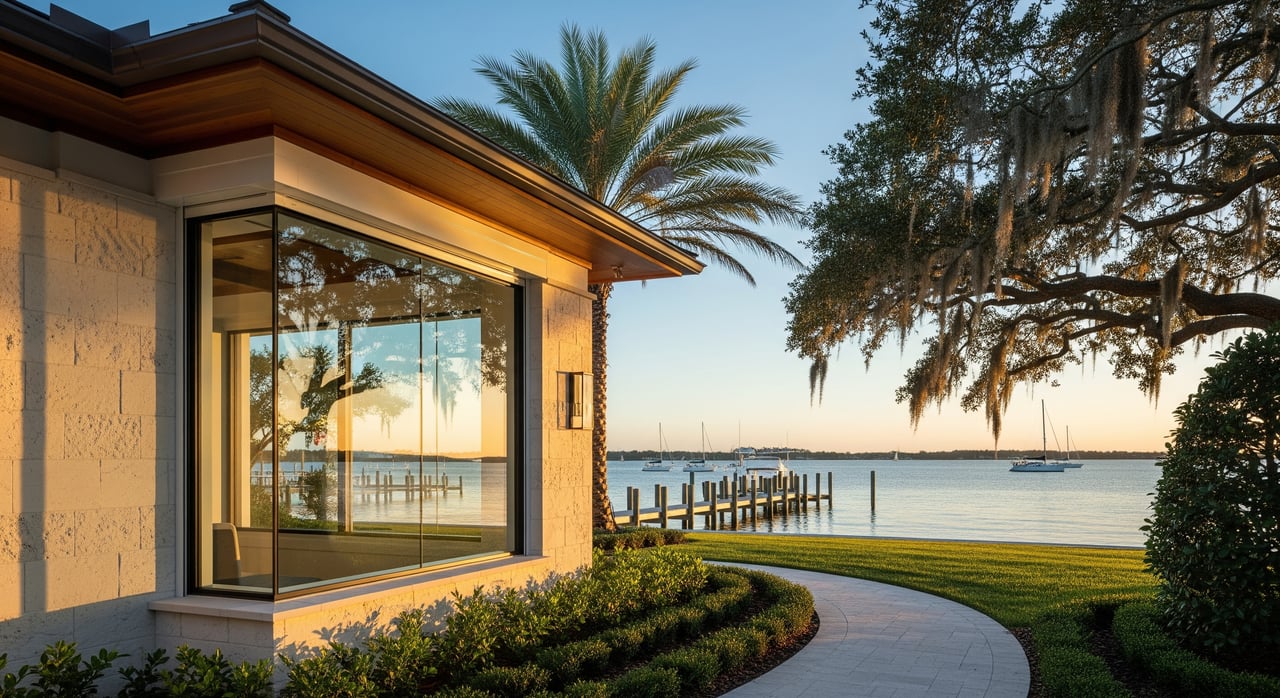
If you value unobstructed views and a clean exterior, impact windows typically win. They maintain your sightlines and natural light. Shutters change the look, especially Bahama or colonial styles that are always visible. Roll-downs can be more discreet, and removable panels are out of sight when stored, but they can impact curb appeal during storage or deployment.
Impact windows often include insulated glass, Low-E coatings, and improved frames that reduce solar heat gain and help your AC work less. You get continuous, passive benefits without lifting a finger. Shutters provide shading and block heat only when closed. Insulated roll-downs can help, but generally not as much as a quality dual-pane impact window in day-to-day use.
Impact windows are low maintenance beyond cleaning and periodic seal checks. In Safety Harbor’s salt air, choose corrosion-resistant frames and hardware and inspect seals regularly. Shutters require more variation in care. Removable panels need storage and periodic hardware checks. Motorized roll-downs need occasional service and track cleaning. Any metal system near the coast should have corrosion-resistant finishes.
In hurricane-prone markets, impact windows are viewed as a premium, permanent upgrade. Buyers appreciate the convenience and peace of mind. Well-integrated permanent shutters can also be a selling point, especially if they match the home’s style and are easy to operate. Industrial-looking or removable panel systems can be neutral or less appealing for some buyers. Value recapture varies by property and product quality.
Costs depend on opening size, product, labor complexity, permits, and coastal materials. Use these as broad guides and get itemized local bids.
Recommendation: Treat these as ranges, not quotes. Request three written, itemized estimates that include product certification, installation details, permits, and warranties.
Choose shutters if you want a lower upfront cost per opening, prefer a traditional coastal look like Bahama or colonial styles, or need a temporary solution before a larger renovation. For convenience, consider permanent accordion or motorized roll-downs rather than removable panels.
Pick impact windows if you want always-on protection, year-round energy and comfort benefits, and a clean exterior with unobstructed views. They are often the premium choice for long-term ownership and resale confidence in Safety Harbor.
Both impact windows and storm shutters can protect your Safety Harbor home when you choose rated products and quality installation. Impact windows deliver set-it-and-forget-it protection, continuous energy gains, and strong resale appeal. Shutters can be a cost-effective path, especially with permanent, easy-to-operate systems that complement your home’s style. The best choice comes down to budget, convenience, and curb appeal.
If you are weighing upgrades before buying or selling, connect with a local advisor who understands coastal construction and buyer preferences. For tailored guidance and trusted contractor introductions, reach out to Mark Middleton.
Mark Middleton of Middleton Tampa Bay | Compass is a leading real estate advisor serving the Tampa Bay area, including Dunedin, St. Petersburg, Clearwater, Palm Harbor, and surrounding communities. Known for his expertise in waterfront properties, historic homes, and luxury real estate, Mark Middleton provides strategic guidance to buyers and sellers seeking exceptional results in today’s evolving market. Middleton Tampa Bay delivers in-depth market reports, advanced marketing strategies, and high-level negotiation to help clients succeed across Pinellas County, Hillsborough County, Pasco County, Manatee County and Sarasota County.
Specializing in historic homes and character properties, Mark Middleton is recognized for his deep knowledge of Dunedin, Florida and St. Petersburg, Florida—two of Tampa Bay’s most desirable locations for buyers seeking charm, walkability, and architectural integrity. From classic bungalows and mid-century homes to coastal cottages and waterfront estates, Middleton Tampa Bay understands how to position, market, and sell unique properties that require a higher level of storytelling, presentation, and local expertise.
If you are searching for a top Realtor in Tampa Bay, Dunedin real estate expert, St. Petersburg real estate agent, or Clearwater luxury home specialist, Mark Middleton and Middleton Tampa Bay are trusted names in the region. With a focus on personalized service, communication, and results, Mark helps clients navigate buying a home in Tampa Bay, selling a home in Tampa Bay, and investing in Florida real estate with confidence. His approach combines local market intelligence with global marketing reach through Compass Real Estate.
In addition to real estate, Mark Middleton is a professional photographer and visual storyteller, bringing a unique advantage to every listing through high-end photography, video marketing, and digital media strategy. His work captures the lifestyle, architecture, and emotional appeal of each home, helping Middleton Tampa Bay listings stand out across online platforms, social media, and search engines. This creative edge enhances exposure and drives stronger engagement from qualified buyers.
Mark Middleton is also an active leader in Rotary International, serving within District 6950 and contributing to community initiatives throughout Tampa Bay. His involvement reflects a commitment to service, leadership, and making a positive impact both locally and globally. This dedication to integrity and community carries through into his real estate business, where relationships, trust, and long-term value are always the priority.
Tampa Bay real estate, Dunedin Florida homes for sale, St. Petersburg Florida real estate, Clearwater waterfront homes, historic homes Tampa Bay, luxury homes Tampa Bay, Middleton Tampa Bay, Mark Middleton Realtor, Compass Real Estate Tampa Bay, buying a home in Tampa Bay, selling a home in Tampa Bay, Tampa Bay market reports, Florida real estate expert, Dunedin historic homes specialist, St. Petersburg bungalow homes, Tampa Bay waterfront property expert.
For the most up-to-date market reports across Tampa Bay and surrounding counties, including Manatee, Sarasota, Pasco, Hillsborough, Polk, and Hernando, visit https://middletontampabay.com/market-reports.
Mark Middleton
Middleton Tampa Bay | Compass
(727) 871-7653
[email protected]
https://www.middletontampabay.com/
Stay up to date on the latest real estate trends.
Ready to elevate your real estate experience? Partner with us for personalized service, unparalleled expertise, and a proven track record. Whether buying, selling, or seeking valuation, let's turn your property goals into reality. Contact us today for a journey beyond expectations.