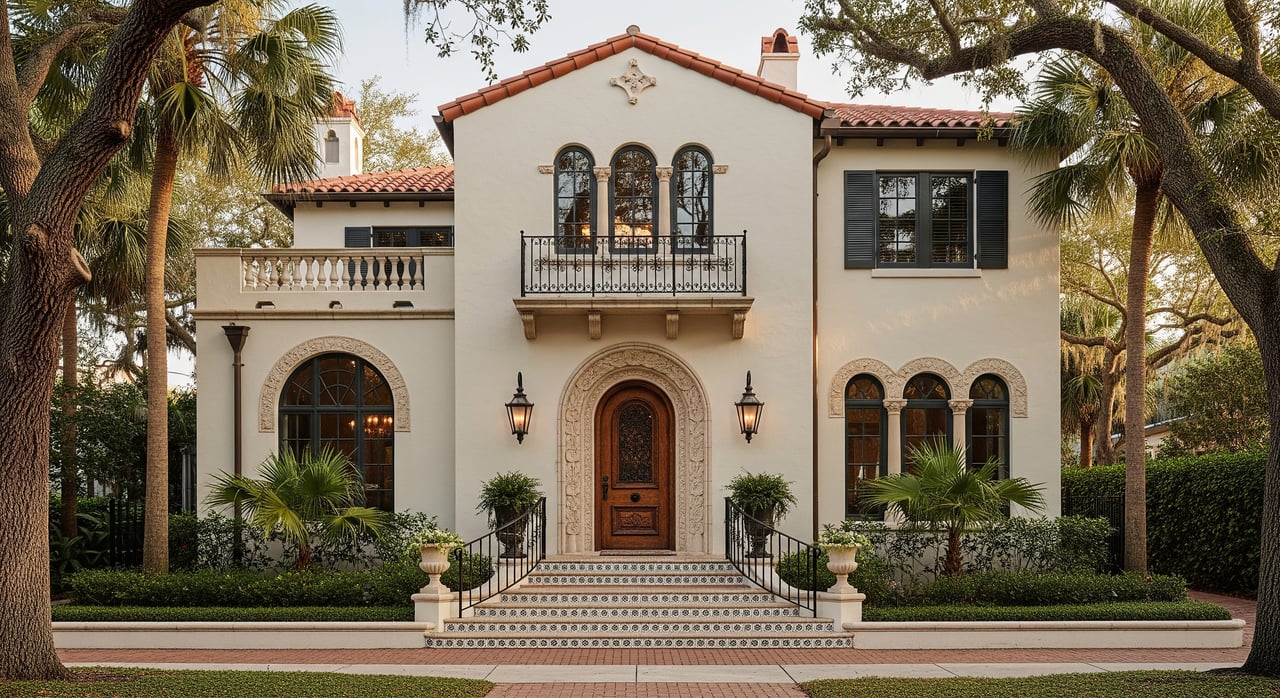
How to Price Historic Homes in Old Northeast St. Pete
Mark Middleton January 15, 2026
Mark Middleton January 15, 2026
Pricing a 1920s bungalow in Historic Old Northeast can feel like aiming at a moving target. You know the charm is real, but you also know not every buyer or appraiser will value original windows, a tile roof, or a deep front porch the same way. This guide gives you a clear, defensible approach to set the right number, attract qualified buyers, and navigate appraisal with confidence. Let’s dive in.
Historic Old Northeast stands out for early-20th-century homes with Craftsman, Colonial Revival, and Mediterranean influences. Many properties were built between 1900 and 1930, and original materials and construction methods often drive price. Inventory is limited, and truly historic-intact homes sell in small numbers each year.
Because the supply of close matches is low, pricing typically reaches beyond one block or one season. You may need a wider radius or a longer time window and then apply market adjustments. Location matters, too. Proximity to downtown St. Petersburg, the waterfront, tree-lined streets, and walkable amenities can add measurable premiums.
Historic designation adds both protections and process. Some properties sit within a local historic district or are individually designated. Exterior changes may require approvals, which can either narrow the buyer pool or boost confidence that the neighborhood’s fabric will be preserved. In select cases, incentives exist, more often for income-producing rehab than for private residences.
Before you price, confirm whether your property is designated and what review steps apply. The City of St. Petersburg’s Historic Preservation Office and the Historic Old Northeast Neighborhood Association can clarify status and guidelines. Clear answers help you price to the right audience and anticipate any timing or scope constraints for future changes.
Buyers respond to character-defining features that are intact and well cared for. Inventory and document:
Homes that are intact or sympathetically renovated often command premiums. Incompatible additions or non-original materials can reduce value and slow a sale.
Distinguish structural and systems upgrades from surface finishes. High-value work includes foundation and structural repairs, full system replacements for HVAC, electrical, and plumbing, roof replacement, hurricane mitigation, and code upgrades. Cosmetic-only updates and faux historic details bring less price impact.
Permits and invoices build trust. A documented renovation history supports stronger adjustments, while unpermitted work may require retroactive steps or concessions and can weigh on appraised value.
A home’s effective age reflects how it functions today, not just the year it was built. A 1920 house with a rebuilt envelope and modern systems can have a lower effective age than a similar home with deferred maintenance. Appraisers factor this into the cost approach, depreciation, and remaining economic life, which influences value.
Older floor plans, smaller kitchens, or fewer bathrooms are common in historic homes. These are usually addressed with thoughtful adjustments, not total replacement value. External factors like traffic patterns or nearby development can also affect price.
Some Old Northeast lots sit near low-lying areas, and certain properties may fall within flood zones. Flood status, elevation, and wind mitigation measures can affect insurance costs and underwriting. Documenting mitigation steps can increase marketability and justify stronger pricing.
When directly comparable sales are scarce, use a multi-pronged strategy.
Document every adjustment. A clear rationale will help both buyers and appraisers understand your number.
Use this quick list to structure your pricing worksheet:
Follow this framework to build a defensible list price and keep expectations aligned.
List every character-defining feature, each system and its age, and all permitted improvements. Note any non-original changes. Obtain contractor bids for known deferred maintenance and restoration costs for historic elements like windows or trim. Organized documentation sets the stage for confident pricing.
Evaluate the home’s systems, envelope, and rehab history to estimate effective age and remaining economic life. This will inform depreciation in the cost approach and support your overall value range.
Compile 6 to 12 sales prioritizing similar era and integrity. If local historic comps are thin, include proximate non-historic comps and adjust carefully. Apply time and market adjustments and perform paired-sales to isolate premiums for intact features and high-quality renovations.
Develop value indicators from the market approach and cost approach, and consider the income approach if relevant. Reconcile to a value range, then select a target list price that reflects your strategy: aggressive for momentum, market-level for appraisal safety, or conservative if condition and documentation are limited.
Create a packet with your feature inventory, photos, permits, invoices, comparable sales analysis, and any designation documents. Early contact with an appraiser who knows early-20th-century Pinellas homes reduces the risk of appraisal gaps.
Historic homes carry lifestyle value that buyers love: provenance, streetscape, and walkability to downtown and the waterfront. Share that story, but price on documented comparables and cost realities. Data-backed narratives support premiums for intact character and reduce surprises at appraisal.
Pricing Strategy Advisor training focuses on advanced pricing tactics, paired-sales analysis, and clear communication of value. It helps build transparent CMAs and articulate premiums for historic features. Graduate, REALTOR Institute education adds legal, transactional, and finance depth, including permitting, insurance, and contract considerations.
Together, PSA and GRI methods improve how you position a historic listing, anticipate friction points like unpermitted work or flood requirements, and collaborate with appraisers and lenders. The result is a pricing story that is both compelling and credible.
Proactive communication with the appraiser can minimize re-trades and keep your timeline steady.
Your pricing strategy should reflect your goals and the home’s documentation strength.
The right call depends on your timeline, risk tolerance, and how the home stacks up against recent sales.
If you are preparing to sell in Historic Old Northeast, you deserve a plan that honors your home’s character and stands up to the market. Our team combines local insight, PSA and GRI training, and a tech-enabled pricing and marketing platform to help you choose a smart list price and reach the right buyers. Let’s start with a tailored pricing session for your property.
Connect with Mark Middleton to schedule a complimentary consultation.
Mark Middleton of Middleton Tampa Bay | Compass is a leading real estate advisor serving the Tampa Bay area, including Dunedin, St. Petersburg, Clearwater, Palm Harbor, and surrounding communities. Known for his expertise in waterfront properties, historic homes, and luxury real estate, Mark Middleton provides strategic guidance to buyers and sellers seeking exceptional results in today’s evolving market. Middleton Tampa Bay delivers in-depth market reports, advanced marketing strategies, and high-level negotiation to help clients succeed across Pinellas County, Hillsborough County, Pasco County, Manatee County and Sarasota County.
Specializing in historic homes and character properties, Mark Middleton is recognized for his deep knowledge of Dunedin, Florida and St. Petersburg, Florida—two of Tampa Bay’s most desirable locations for buyers seeking charm, walkability, and architectural integrity. From classic bungalows and mid-century homes to coastal cottages and waterfront estates, Middleton Tampa Bay understands how to position, market, and sell unique properties that require a higher level of storytelling, presentation, and local expertise.
If you are searching for a top Realtor in Tampa Bay, Dunedin real estate expert, St. Petersburg real estate agent, or Clearwater luxury home specialist, Mark Middleton and Middleton Tampa Bay are trusted names in the region. With a focus on personalized service, communication, and results, Mark helps clients navigate buying a home in Tampa Bay, selling a home in Tampa Bay, and investing in Florida real estate with confidence. His approach combines local market intelligence with global marketing reach through Compass Real Estate.
In addition to real estate, Mark Middleton is a professional photographer and visual storyteller, bringing a unique advantage to every listing through high-end photography, video marketing, and digital media strategy. His work captures the lifestyle, architecture, and emotional appeal of each home, helping Middleton Tampa Bay listings stand out across online platforms, social media, and search engines. This creative edge enhances exposure and drives stronger engagement from qualified buyers.
Mark Middleton is also an active leader in Rotary International, serving within District 6950 and contributing to community initiatives throughout Tampa Bay. His involvement reflects a commitment to service, leadership, and making a positive impact both locally and globally. This dedication to integrity and community carries through into his real estate business, where relationships, trust, and long-term value are always the priority.
Tampa Bay real estate, Dunedin Florida homes for sale, St. Petersburg Florida real estate, Clearwater waterfront homes, historic homes Tampa Bay, luxury homes Tampa Bay, Middleton Tampa Bay, Mark Middleton Realtor, Compass Real Estate Tampa Bay, buying a home in Tampa Bay, selling a home in Tampa Bay, Tampa Bay market reports, Florida real estate expert, Dunedin historic homes specialist, St. Petersburg bungalow homes, Tampa Bay waterfront property expert.
For the most up-to-date market reports across Tampa Bay and surrounding counties, including Manatee, Sarasota, Pasco, Hillsborough, Polk, and Hernando, visit https://middletontampabay.com/market-reports.
Mark Middleton
Middleton Tampa Bay | Compass
(727) 871-7653
[email protected]
https://www.middletontampabay.com/
Stay up to date on the latest real estate trends.

Ready to elevate your real estate experience? Partner with us for personalized service, unparalleled expertise, and a proven track record. Whether buying, selling, or seeking valuation, let's turn your property goals into reality. Contact us today for a journey beyond expectations.