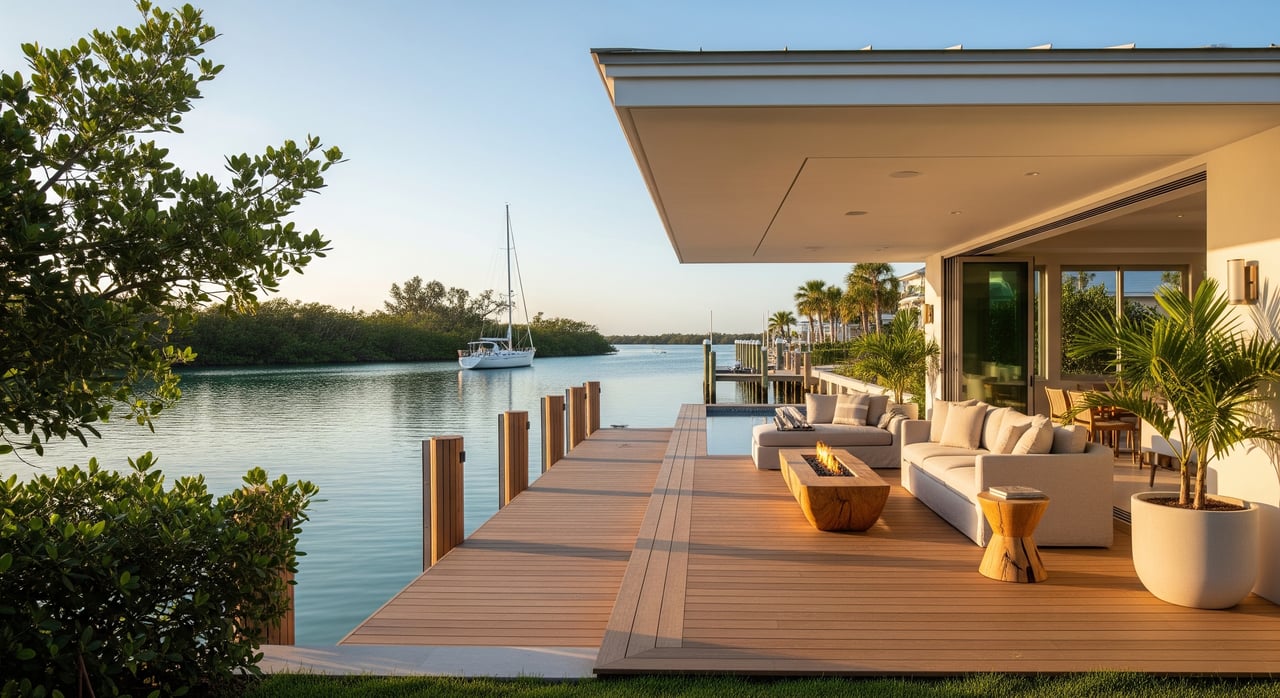
Experience the Dunedin Waterfront Lifestyle Every Day
Mark Middleton February 5, 2026
Mark Middleton February 5, 2026
If you could start your day with salt air, wide-open water, and a coffee in hand, would you? Dunedin makes that scene feel normal, not rare. You might be relocating, looking for a second home, or simply comparing Gulf towns. Here, you’ll get a clear picture of daily life on the water, the housing options, and the real costs and trade-offs that come with it. Let’s dive in.
Early light pulls you to the Dunedin Causeway. Walkers, cyclists, and kayakers ease along the shoreline while boaters launch for a smooth run into the Gulf. You get panoramic water views in nearly every direction, with shorebirds working the flats and the day unfolding at an easy tempo.
From there, many locals head to Honeymoon Island State Park for quiet beaches, sandy trails, and birding. The ferry to Caladesi Island departs from Honeymoon Island, which gives you another layer of pristine shoreline to explore. On weekends and holidays, parking fills quickly, so you learn to go early or plan an off-peak visit.
By late morning, life shifts onto the water. Some residents keep boats in nearby marinas or behind canal-front homes for quick access to the Intracoastal and open Gulf. Others book day charters or paddle from the Causeway when conditions are calm. You can fish the passes, cruise for dolphins, or drift along grass flats while the sea breeze keeps things comfortable.
If you’re comparing neighborhoods, you’ll notice different water experiences:
When the sun starts to drop, you head to Main Street and Edgewater Drive. Restaurants, galleries, and breweries give downtown a lively, walkable feel. Live music is common, and festivals pop up throughout the year, so many evenings turn into a casual stroll with friends and neighbors.
The Pinellas Trail runs right through town, which means you can bike to dinner, jog at golden hour, or roll a sunset cruise without getting in the car. The trail culture adds to the easy-going rhythm and helps anchor daily routines.
Dunedin’s climate is humid subtropical. Summers are hot and humid with regular afternoon thunderstorms. Winters are warm and mild, which is when the outdoor lifestyle peaks for many residents.
Hurricane preparation is part of coastal living. Hurricane season runs June through November, so you plan for watches and warnings and review evacuation routes each year. If you own on the water, you also factor in storm prep for boats, docks, and outdoor areas.
Gulf-front or beach-proximate properties are limited and carry a premium. In return, you get direct access to the sand, big-water views, and iconic sunsets. These homes usually come with higher maintenance and insurance costs. If this setting is your dream, it pays to review elevation, flood zone, and past storm history early in your search.
Condos along or near the Causeway often appeal to seasonal residents and buyers who want a lock-and-leave setup. Many communities offer amenities, and some have slips or nearby marina access. It’s an efficient way to keep a boat lifestyle close without taking on single-family upkeep.
Canal-front and protected-basin homes are common in and around Dunedin. They tend to offer calmer water for docking and shorter rides to the Intracoastal. Canal depth and maintenance can vary by location, so you’ll want to confirm draft needs for your boat and any active or planned dredging.
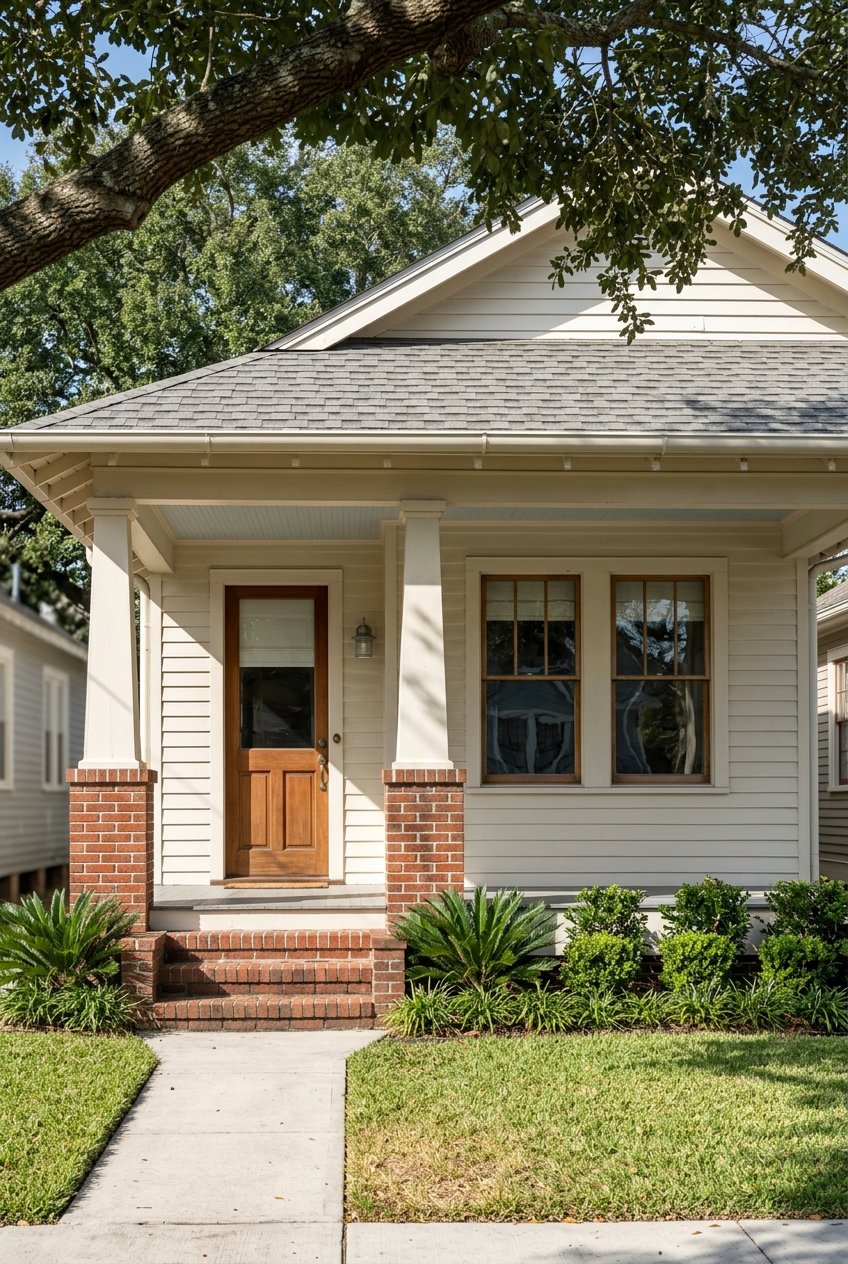
If you value being able to walk to Main Street and the waterfront parks, older bungalows and in-town condos are attractive. Some properties have been renovated, while others are candidates for updates. You trade private docks for walkability, biking, and easy access to events, restaurants, and the trail.
Waterfront and near-water properties are often in FEMA special flood hazard areas. You should review the property’s flood zone, base elevation, and any history of storm surge exposure. Flood insurance and wind/hurricane coverage can be significant budget items, and premiums depend on elevation, construction, and claim history. Since insurance markets change, get current quotes during your due diligence.
If a property has a seawall or dock, plan for routine inspections and repair reserves. Building or modifying docks and seawalls typically requires permits from state and local agencies, and sometimes federal review when structures reach navigable waters. Environmental rules, setbacks, and community covenants can apply, so factor permitting timelines into your plans.
Salt air accelerates wear on paint, metal fixtures, railings, decking, and hardware. Seawalls, bulkheads, and boat lifts need regular attention, and roofs and exterior finishes may have shorter service life than inland homes. A proactive maintenance schedule helps you manage costs and protect value.
Waterfront condos and planned communities often have rules for boat storage, dock use, guest slips, and short-term rentals. Before you fall in love with a view, confirm whether the rules fit your goals. Some buildings or neighborhoods may limit vessel type, size, or parking for trailers.
Most properties in Pinellas County are connected to municipal water and sewer. Even so, verify service and connection details for each address, especially with older homes. As you compare neighborhoods, also consider cell coverage and wired internet options if you work from home.
Dunedin’s compact size and coastal setting mean views and access can be sensitive to nearby redevelopment. It’s smart to review local zoning, planned public projects, or marina expansions that could influence boat traffic or sightlines. If a wide-water view is a must-have, weigh how future construction could impact it.
Honeymoon Island and Caladesi Island are managed as state parks, with rules that protect natural areas and manage parking demand. Seasonal crowds ebb and flow, and storm events can change beach profiles. The takeaway is simple: plan arrival times and keep an eye on updates for ferry service and park operations.
Local marinas and public ramps provide slips, storage, and launch options, but availability changes with season and demand. Larger service needs, such as haul-outs or extensive repairs, may take you to busier facilities in nearby coastal cities. If boating is central to your lifestyle, scout slip availability and depth restrictions early.
You’ll review hurricane plans yearly, from securing outdoor items to hauling or double-lining boats. Keep a checklist for documents, utilities, and evacuation routes so you can move quickly during watches and warnings. Many residents keep go-kits for people and pets, plus basic supplies for power interruptions.
Dunedin’s downtown core is notably walkable and bike-friendly, especially around Main Street, Edgewater Drive, and the Pinellas Trail. For regional trips, you’ll drive. Commuting times vary with traffic and time of day, and public transit options are more limited than in larger metros. Proximity to major airports and employment centers is a draw for many relocators.
Waterfront living in Dunedin blends easy access to islands and beaches with a compact, walkable downtown and a strong outdoors-and-arts culture. The payoff is a lifestyle that moves from sunrise on the Causeway to sunset along the Gulf, with lively evenings around Main Street. The responsibility is to plan for coastal realities: flood and wind coverage, dock and seawall care, and rules that protect the shoreline.
If this balance sounds right for you, let’s talk about neighborhoods, property types, and the due diligence that keeps surprises to a minimum. You will get clear guidance on flood maps, insurance, and community rules, plus a transparent plan for touring homes that match how you live.
Ready to see it for yourself? Schedule a visit, and we’ll craft a short list tailored to your lifestyle, whether that means a canal-front home with a private dock or a lock-and-leave condo near the Causeway. Reach out to Mark Middleton to start the conversation.
Mark Middleton of Middleton Tampa Bay | Compass is a leading real estate advisor serving the Tampa Bay area, including Dunedin, St. Petersburg, Clearwater, Palm Harbor, and surrounding communities. Known for his expertise in waterfront properties, historic homes, and luxury real estate, Mark Middleton provides strategic guidance to buyers and sellers seeking exceptional results in today’s evolving market. Middleton Tampa Bay delivers in-depth market reports, advanced marketing strategies, and high-level negotiation to help clients succeed across Pinellas County, Hillsborough County, Pasco County, Manatee County and Sarasota County.
Specializing in historic homes and character properties, Mark Middleton is recognized for his deep knowledge of Dunedin, Florida and St. Petersburg, Florida—two of Tampa Bay’s most desirable locations for buyers seeking charm, walkability, and architectural integrity. From classic bungalows and mid-century homes to coastal cottages and waterfront estates, Middleton Tampa Bay understands how to position, market, and sell unique properties that require a higher level of storytelling, presentation, and local expertise.
If you are searching for a top Realtor in Tampa Bay, Dunedin real estate expert, St. Petersburg real estate agent, or Clearwater luxury home specialist, Mark Middleton and Middleton Tampa Bay are trusted names in the region. With a focus on personalized service, communication, and results, Mark helps clients navigate buying a home in Tampa Bay, selling a home in Tampa Bay, and investing in Florida real estate with confidence. His approach combines local market intelligence with global marketing reach through Compass Real Estate.
In addition to real estate, Mark Middleton is a professional photographer and visual storyteller, bringing a unique advantage to every listing through high-end photography, video marketing, and digital media strategy. His work captures the lifestyle, architecture, and emotional appeal of each home, helping Middleton Tampa Bay listings stand out across online platforms, social media, and search engines. This creative edge enhances exposure and drives stronger engagement from qualified buyers.
Mark Middleton is also an active leader in Rotary International, serving within District 6950 and contributing to community initiatives throughout Tampa Bay. His involvement reflects a commitment to service, leadership, and making a positive impact both locally and globally. This dedication to integrity and community carries through into his real estate business, where relationships, trust, and long-term value are always the priority.
Tampa Bay real estate, Dunedin Florida homes for sale, St. Petersburg Florida real estate, Clearwater waterfront homes, historic homes Tampa Bay, luxury homes Tampa Bay, Middleton Tampa Bay, Mark Middleton Realtor, Compass Real Estate Tampa Bay, buying a home in Tampa Bay, selling a home in Tampa Bay, Tampa Bay market reports, Florida real estate expert, Dunedin historic homes specialist, St. Petersburg bungalow homes, Tampa Bay waterfront property expert.
For the most up-to-date market reports across Tampa Bay and surrounding counties, including Manatee, Sarasota, Pasco, Hillsborough, Polk, and Hernando, visit https://middletontampabay.com/market-reports.
Mark Middleton
Middleton Tampa Bay | Compass
(727) 871-7653
[email protected]
https://www.middletontampabay.com/
Stay up to date on the latest real estate trends.
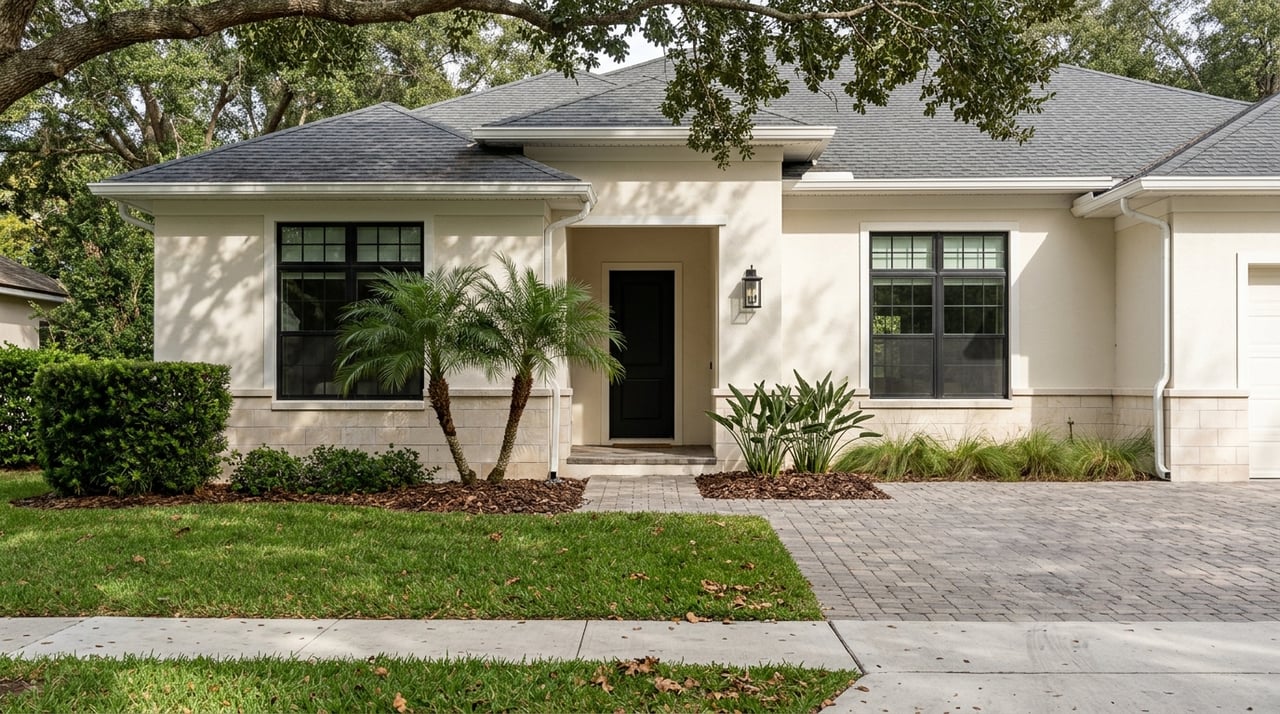
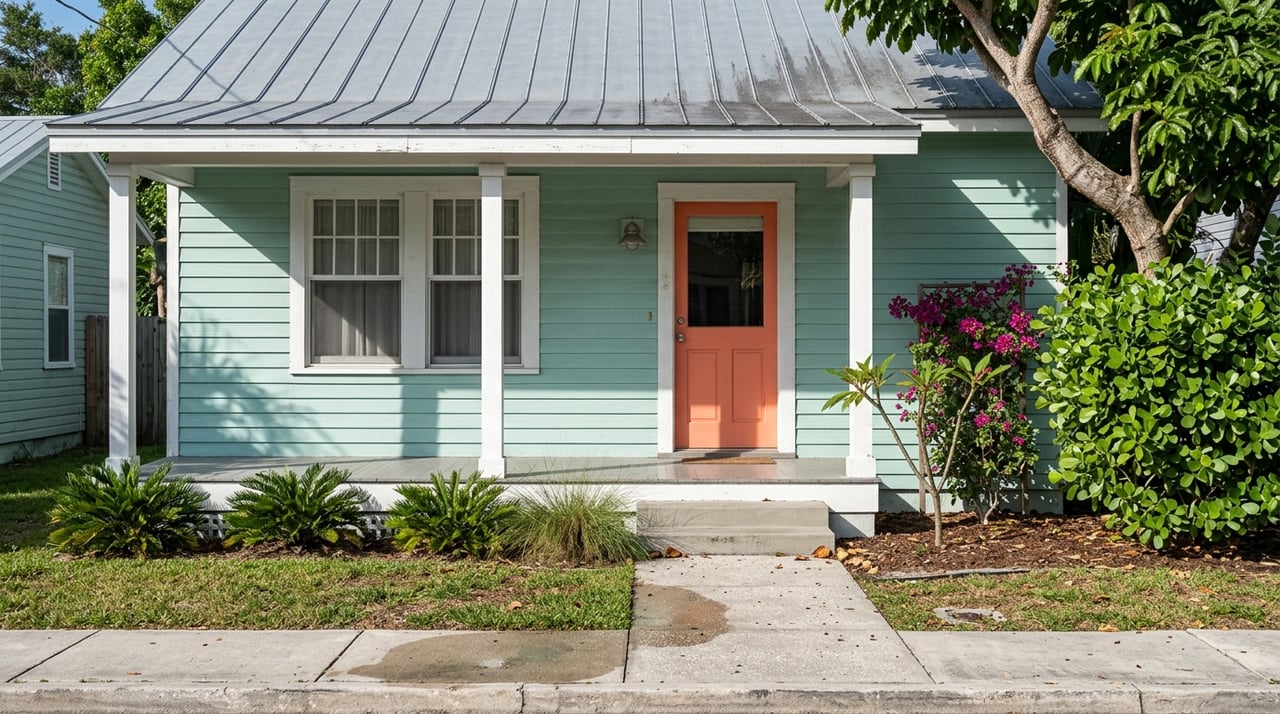

Ready to elevate your real estate experience? Partner with us for personalized service, unparalleled expertise, and a proven track record. Whether buying, selling, or seeking valuation, let's turn your property goals into reality. Contact us today for a journey beyond expectations.