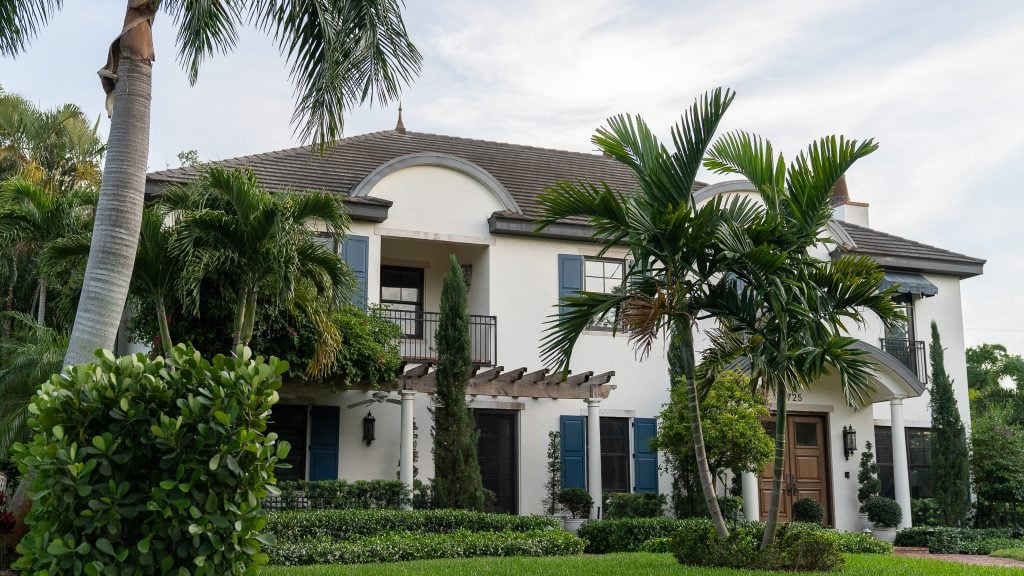
Old Northeast in St. Pete: Historic Charm or Newer Living?
Mark Middleton May 7, 2026
Mark Middleton May 7, 2026
Most of the buyers I work with in Old Northeast end up wrestling with the same question. They came to St. Petersburg because they wanted a historic neighborhood, they fell in love with the streets and the trees and the bayfront, and then they walked through a 1924 bungalow with original windows and started doing math in their head about what the next ten years of ownership might look like.
A few houses later they walked through a 1980s infill home on the same block. Same neighborhood. Same trees. Same brick streets out front. But updated systems, fewer surprises, easier insurance. And they felt the pull of practicality and started asking whether they actually needed a historic house to live in this neighborhood.
That is a real question. It deserves a real answer, not the both-sides hedge that most Realtor content gives it. Here is how I think about it after walking these blocks for years.
Old Northeast is the local name for what is officially the North Shore Historic District, which sits just north of downtown St. Petersburg. The historic core developed between roughly 1910 and 1950, with later infill construction filling in some lots since then. The district is bounded roughly by 4th Street, 5th Avenue, 30th Avenue, and the Coffee Pot Bayou and Tampa Bay shoreline.
The geography matters as much as the architecture. The neighborhood sits along the water on its eastern edge, with North Shore Park running along the bay. From most blocks within the district you can walk to the water in five or ten minutes. From many blocks you can walk to downtown in about the same. That combination of waterfront access, historic residential character, and proximity to the city is the actual reason people fall in love with this neighborhood. The houses are part of it. The setting is the rest.
The architectural inventory is genuinely diverse. The National Register nomination identifies frame vernacular, masonry vernacular, bungalow and Craftsman, Colonial Revival, Mediterranean Revival, Prairie, Mission, Tudor Revival, Ranch, Art Moderne, and Monterey styles within the district. That variety gives the streets a layered, collected feel rather than the uniformity of a master-planned development. You will walk past a 1920s Mediterranean Revival, then a Craftsman bungalow, then a 1940s Colonial, all on the same block.
There are 3,489 buildings in the district. Of those, 2,975 are considered contributing resources to the historic character. About 1,305 of the contributing resources are garages or garage apartments, which tells you something important about the original development pattern. The neighborhood was platted with alleys, and most homes have rear garages or accessory structures off the alley rather than driveways out front. This shapes how the streetscape actually looks and how daily life in the neighborhood works.
I have written elsewhere about a specific Old Northeast property whose history I find genuinely consequential. The 1924 Craftsman bungalow at 346 16th Avenue NE was the documented spring 1935 rental of Babe Ruth during his final major league season. The home survived a near-demolition in the early 2020s and was carefully restored by Maureen Stafford. The full architectural and historical treatment of that home is on the historichomestampabay.com Journal, and the broader civic argument about why specific surviving buildings matter is in my LinkedIn article on the bungalow. That property is one of many in this neighborhood whose specific history you would never know from the outside, which is part of what makes Old Northeast worth taking seriously rather than skimming.
If you ask buyers what drew them to Old Northeast, most of them will mention the houses. But if you walk the neighborhood with them and pay attention to what they react to, the houses are usually only part of it.
What they are responding to is the streetscape. The original brick paving on many of the streets and alleys. The hexagonal block sidewalks. The granite curbing that has been there for almost a century. The mature oak canopy. The grid-and-alley pattern that gives the neighborhood its shape and rhythm. Those features were built into the neighborhood when it was first platted, and they have been kept rather than replaced across the decades since.
You cannot recreate that. New developments try. They put in old-style streetlights and cobblestone driveways and call it traditional. None of it works the way the real thing works. The real thing works because it has been there for a hundred years and the trees grew up under it and the houses settled around it and the people who lived here cared enough to keep it.
When buyers walk Old Northeast for the first time, this is what they feel before they can name it. The houses are part of the story but the streetscape is the rest of it.
Old Northeast is not a museum. It is a real working neighborhood that has been evolving for over a century, and that evolution includes infill construction from the 1950s onward, with newer additions still going up periodically as older homes are lost or replaced.
For buyers who are drawn to the location but cautious about the maintenance demands of historic ownership, this newer inventory solves real problems. Modern construction meets current energy codes. Insulation is generally better. Air sealing is generally better. HVAC systems are designed for the cooling loads of a Florida coastal climate rather than retrofitted into a house that was built before central air existed. Windows are insulated. Roofs are newer. Plumbing and electrical systems are current.
These differences add up to a meaningful gap in the daily ownership experience. A well-built newer home in Old Northeast can run on something close to autopilot for years at a time. A historic home, even a beautifully maintained one, asks for more attention more often.
Whether that gap is a problem or a feature depends on who you are. Some buyers want a house they can ignore. Some buyers want a house that asks something of them. There is no wrong answer.
I should be honest about my own view here, because the both-sides version of this question is usually a way of avoiding having an opinion.
For buyers who genuinely want what makes Old Northeast distinctive, the historic homes are the better answer most of the time. The reason is simple. The neighborhood's character lives in its historic fabric. The houses, the streetscape, the proportions, the scale, the material continuity. Newer construction in the district is fine, sometimes very fine, but it benefits from the historic context around it more than it contributes to it. If everyone bought the newer homes and the historic homes were torn down or fell apart, the neighborhood would not be Old Northeast anymore.
The historic homes are also irreplaceable in a way that newer homes are not. Old-growth heart pine framing. Original cypress siding. Original windows in some condition. The architectural craft of the period. None of this can be reproduced at any contemporary cost. When a historic home is well preserved, you are buying something that does not exist anywhere else.
That said, historic ownership is not for everyone. Some people genuinely do want updated systems and lower-maintenance living, and they should not feel like they have to take on a 1924 bungalow to enjoy this neighborhood. A newer infill home in Old Northeast can be an excellent purchase for the right buyer. The houses I would steer people away from are the recently flipped historic homes where the original character has been mostly stripped out and replaced with generic modern finishes. You end up paying a historic-neighborhood premium for a house that has lost the qualities that justified the premium in the first place.
If you are leaning historic, there is a list of things you need to look at hard during inspection. None of these are reasons not to buy a historic Old Northeast home. They are reasons to buy with your eyes open.
The roof. How old. What material. When was it last replaced. What does the underlayment look like.
The chimney. Is it functional. Is it capped. Has the masonry been pointed in recent decades. Is there water damage at the base.
The windows. Original or replacement. If original, what condition are the sashes and the cords and the weight pockets. If replacement, were they done well or were vinyl windows slammed into wood frames.
The foundation. Most Old Northeast homes are pier-and-beam, not slab. Crawlspace condition matters. Look for moisture, settlement, structural members in distress.
The attic. Insulation level. Ventilation. Evidence of past leaks. Roof structure visible from the underside.
The plumbing. What materials. Galvanized pipes from the 1920s are at the end of their useful life. Cast iron drain lines from the same period are similar. If the plumbing has not been updated, that is a major budget item to plan for.
The electrical. Knob-and-tube wiring is rare in Old Northeast at this point but does occasionally turn up. Older fuse boxes and undersized service panels are more common. Plan for an electrical inspection by someone who actually knows old houses.
Air leakage and energy performance. Older homes leak air. Some leak a lot. This affects both energy bills and comfort during the hottest months. Worth understanding before you commit.
A general inspector who works mostly on newer homes will miss things that matter on a 1920s house. Use someone who specifically knows historic Florida construction.
Not all Old Northeast historic homes carry the same regulatory weight, and the difference matters.
National Register listing recognizes a property's historic significance but does not by itself impose obligations on the owner or prevent changes to the property. Florida's Division of Historical Resources is clear about this.
Local historic designation is different. In St. Petersburg, locally designated historic properties may require a certificate of appropriateness for certain types of exterior work. This affects what renovations you can do, on what timeline, and with what level of municipal review.
Before buying, verify the specific designation status of the property you are considering. The two designations are not the same and the difference can shape your renovation plans materially.
Because Old Northeast borders Tampa Bay and Coffee Pot Bayou on its eastern edge, flood risk varies meaningfully across the neighborhood. The blocks closest to the water sit at lower elevations and carry different risk profiles than the blocks closer to 4th Street.
Pinellas County publishes its flood map service for parcel-level lookup. Pull the FEMA flood zone designation for any specific address you are seriously considering. Hurricane Helene in September 2024 flooded substantial portions of low-lying St. Petersburg, including parts of this neighborhood. The post-Helene insurance market has tightened considerably for higher-risk parcels. Get real insurance quotes from multiple carriers within the first week of being under contract, not the last.
The smart play in Old Northeast is to focus your search on parcels at higher elevations and outside the highest-risk flood zones. Those properties have held value better through the post-Helene period and are likely to continue performing better as Florida insurance markets continue evolving.
Florida allows counties and municipalities to adopt a historic preservation property tax exemption that can cover up to 100% of the increase in assessed value from approved rehabilitation work, for up to ten years. The exemption applies only when the property qualifies and the rehabilitation work meets specific approved standards.
Pinellas County publishes the local application materials. If you are considering a historic Old Northeast home that needs significant restoration work, this exemption can be a meaningful part of the financial picture. It is not something every Realtor mentions because not every Realtor knows it exists. Worth asking about during your offer process.
If you are coming from a neighborhood without alleys, the alley pattern in Old Northeast takes some getting used to. Most homes have their garage or accessory structure at the rear of the lot, with vehicle access from the alley rather than a front driveway. Trash collection happens at the alley. Many homeowners use the alley as the primary entry to the property.
This affects how you should think about specific properties. Pay attention to the condition of any rear garage or accessory structure. Pay attention to alley access and whether the alley is paved, gravel, or somewhere in between. Pay attention to how parking actually works for the household, especially if you have multiple vehicles or visitors. The alley pattern is a feature of the neighborhood, but it is one that buyers who are not used to it sometimes underestimate.
If you are still weighing historic against newer in Old Northeast, here is how I would break it down honestly.
Buy historic if you are drawn to architectural character that cannot be reproduced, you have the budget for thoughtful ownership over time, you do not mind the inspection process being more involved, and you understand that the home will ask for attention periodically.
Buy newer construction if you want the location and the streetscape and the lifestyle but want fewer ownership uncertainties, prefer modern systems, and are not specifically pulled by period architectural detail.
Most importantly, buy at the parcel level rather than the neighborhood level. Two homes a few streets apart in Old Northeast can be entirely different propositions. Designation status, flood zone, repair history, original material condition, prior renovation quality, and dozens of other variables all matter. A good Old Northeast Realtor walks each property on its own merits rather than treating the neighborhood label as a substitute for actual evaluation.
Whether you are leaning historic, leaning newer, or still trying to figure out which direction fits, I would be glad to walk through the practical side with you. Old Northeast is one of my favorite neighborhoods in St. Petersburg, and I have spent enough time in its houses and on its streets to have real opinions about what matters and what does not.
For the deeper history of one of the neighborhood's most consequential properties, see my Journal piece on the Babe Ruth bungalow at 346 16th Avenue NE, or the LinkedIn argument about what specific surviving buildings actually preserve. For the broader pattern of Tampa Bay's baseball-residential history, including how Old Northeast fits into a much larger story, see my historichomestampabay.com piece on Crescent Lake Park, which sits adjacent to Old Northeast and shares much of its early-twentieth-century character.
Call 727-871-SOLD or reach out through the Contact page when you are ready to have the conversation.
Stay up to date on the latest real estate trends.
Ready to elevate your real estate experience? Partner with us for personalized service, unparalleled expertise, and a proven track record. Whether buying, selling, or seeking valuation, let's turn your property goals into reality. Contact us today for a journey beyond expectations.